
It’s 6 p.m., pasta is on the menu, and the supermarket shelf has more sauce jars than you have time to compare. Which one would a chef bring home for dinner?
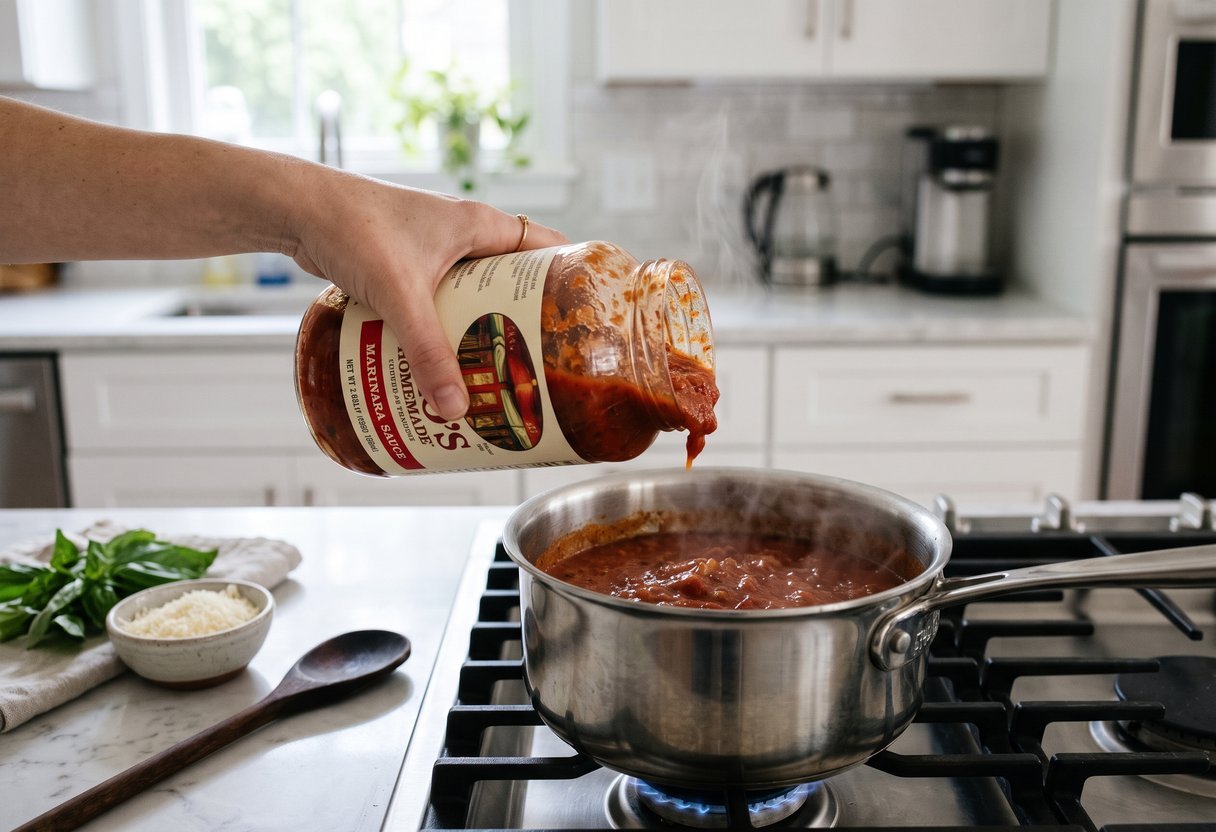
A jar of marinara warms on the stove, but the first spoonful tastes sweeter than expected. Choosing a familiar label next time might be easy, yet the label says little about how the sauce will taste with dinner. When chefs were asked what they would serve at home, their answers kept pointing to the same jar.
Rao’s Homemade Marinara is a jarred sauce chefs use at home
Rao’s Homemade Marinara is a store-bought pasta sauce that cooks reach for when they want a ready-to-use tomato base. Recipe developer Peter Som praises its balance, consistency, and seasoning, qualities that let it work in a dish without demanding much adjustment. A jar can save the time needed to make sauce from scratch, though it will not taste identical to a sauce made with fresh tomatoes.
Jarred sauces can disappoint when sweetness or heavy seasoning masks the tomato flavor. Som describes Rao’s as having “amazing depth of flavor, lovely balance of tomato with just enough seasoning, great consistency, and only the essential ingredients.” That is a taste judgment, not a guarantee that every cook will prefer it.
Whole tomatoes lead the marinara ingredient list
The first ingredient in Rao’s Homemade Marinara is whole-peeled Italian tomatoes, rather than tomato puree. Dan Pashman, who counts Rao’s among several favorite sauce brands, looks for tomatoes first when judging a marinara. Ingredient order shows what goes into a sauce by weight, but it cannot tell a shopper whether the finished sauce has the sweetness, texture, or seasoning they prefer.
For a useful comparison at the store, read the ingredient list and Nutrition Facts panel on the jars under consideration. Check sodium and added sugars if those matter to the household, rather than assuming that a tomato-first sauce meets a particular nutrition goal. The label on the jar being purchased is more useful for that decision than a chef’s endorsement.
Sensitive Marinara puts the tomato flavor forward
Renato Poliafito favors Rao’s Sensitive Marinara, describing it as having “a bright, tomato forward taste.” This variety omits garlic and onions, so those aromatics do not compete with the tomatoes. That makes it an option for cooks who want a simpler-tasting sauce, not necessarily a substitute for everyone who avoids those ingredients for a medical reason.
Anyone managing an allergy or other dietary restriction should check the current package label rather than relying on the variety name. For a more garlic-forward dish, regular marinara or a sauce seasoned at home may be a better fit. Rao’s makes more than 30 sauce varieties, so the name on the front of the jar matters.
The restaurant came before the jar
Rao’s began as a New York City restaurant in 1896 and earned a 3-star review from restaurant critic Mimi Sheraton in 1977. Frank Pellegrino Sr. later chose to put its sauce in jars so people who could not get a restaurant reservation could have it at home. Jarred Rao’s sauces went on sale in 1992.
That history helps explain the brand’s reputation, but it does not replace a look at the label or a taste test. Rao’s reported $580 million in retail sales in 2022 across sauces and other products; that figure does not measure the quality of a particular jar of marinara.
Price and the specific variety matter at the store
Rao’s sauces are sold at grocery stores and online. A 24-ounce jar of Sensitive Marinara has been listed for about $6.88 on Amazon, but prices vary by seller and location. Compare the price per ounce with other jars in the same aisle if cost is a deciding factor.
Choose regular Marinara for the tomato-and-seasoning balance Som likes, or Sensitive Marinara when a sauce without garlic and onions better suits the meal. After opening either jar, follow its label for refrigeration and storage; if the sauce shows mold or an off smell, discard it rather than tasting it.



We use this sauce all the time, delicious