You set a steak in a hot skillet, expecting a restaurant-style dinner, but it comes out disappointingly pale. What happened before it reached the pan may matter more than the cut you bought.
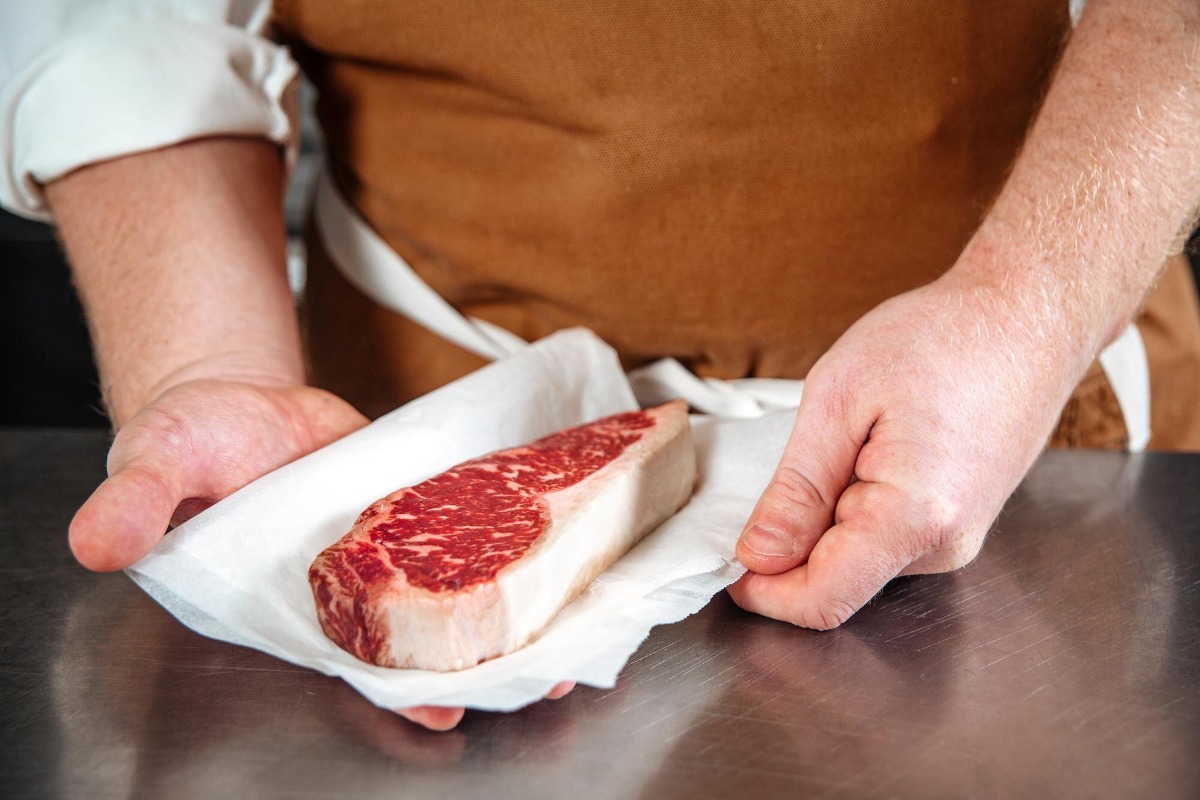
The potatoes are nearly done, and a steak waits on the cutting board beside a warming skillet. Turning up the burner may seem like the way to get a browned crust, but more heat can overcook the center without fixing the outside. A small step just before cooking can make a difference, and it requires no special equipment.
A wet steak loses its chance to brown
Putting a wet steak straight into a hot pan is the mistake: surface water must evaporate before the meat can develop a browned crust. Patting the steak dry just before cooking removes that water, so more of the pan’s heat can go toward searing instead of steaming. It is a small step, but 4 professional chefs agreed that it is worth doing.
A damp surface does not necessarily ruin dinner. It does, however, delay browning while the steak continues to cook inside. That can leave less time to build a crust before the center reaches the desired doneness.
Browning needs a hotter surface than boiling water
The Maillard browning reaction creates the flavors and color associated with a seared steak. It involves reactions between components of the meat, including proteins and sugars, under high heat. The surface generally needs to reach about 280°F to 330°F (138°C to 165°C) for substantial browning.
While water remains on the steak, its surface stays near 212°F (100°C), the boiling point of water, as heat drives off that moisture. Food science writer Jeff Potter has described a surface temperature around 350°F (177°C) for a well-developed Maillard crust. Drying the outside gives the steak a better chance to reach those temperatures promptly.
Pat the steak dry right before it meets the pan
Preheat the pan, then use clean paper towels to blot both sides of the steak immediately before cooking. Add the steak to the hot pan without crowding it. Removing surface water also helps limit oil splatter, though hot oil can still splash, so lower the meat into the pan carefully.
Seasoning can adhere more evenly to a blotted surface. Salting needs a little planning, however: salt immediately before cooking, or salt at least 40 to 45 minutes ahead and rest the steak in the refrigerator. Salting roughly 5 to 30 to 45 minutes before cooking can draw water to the surface without allowing enough time for it to be reabsorbed.
Drying helps, but it cannot fix every searing problem
A steak salted ahead of time may become moist on the surface again, so blot it once more just before searing. A steak that is still partly frozen may release water as it cooks; thaw it fully in the refrigerator first rather than leaving it out to reach room temperature. If a dry steak still does not brown, let the pan heat properly and cook fewer pieces at once so moisture from crowded meat does not build up as steam.
Patting dry improves browning, not food safety. Keep raw-meat juices away from other foods, discard used paper towels, and wash hands and surfaces after handling the steak. Use a food thermometer to check doneness rather than treating a browned crust as proof that the center is safely cooked. For the next steak, make the final step before the pan a thorough blot on both sides.