Your lasagna comes out of the oven bubbling and golden, yet the first bite tastes oddly flat. Before you add more cheese or salt, what are you overlooking in your own kitchen?
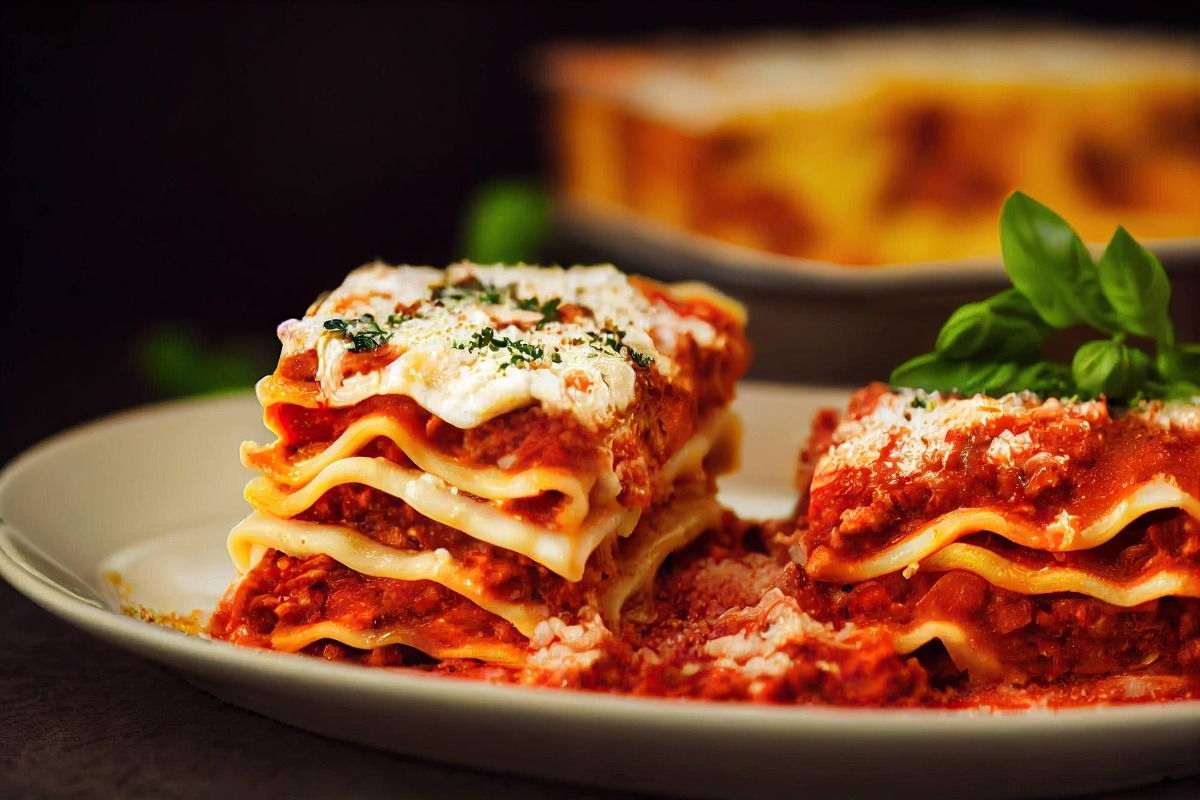
The sauce has simmered, the noodles are lined up, and the baking dish is ready, but a taste from the spoon still seems one-dimensional. Simmering the sauce longer may concentrate what is already there without supplying the note that is missing. A small addition from an unexpected spot in the kitchen can help the finished layers taste more complete.
Fish sauce adds savory depth to lasagna
Fish sauce is the fridge-door ingredient that can give lasagna’s tomato sauce more savory depth. Made from fermented fish and salt, it brings umami, the savory taste associated with ingredients such as anchovies, without needing another layer or a longer ingredient list.
Stir a dash into the tomato sauce while it simmers, then taste before adding more. A small amount can blend into the tomatoes rather than make the lasagna taste fishy, but too much can make the sauce noticeably salty or overpowering. If the sauce already tastes well seasoned, leave it out.
Worcestershire sauce offers another option
Worcestershire sauce can fill the same role if it is already in the refrigerator. Its fermented anchovies contribute savory flavor, while vinegar, tamarind, molasses, onion, garlic and spices add complexity. Chef Alex Guarnaschelli has recommended it for savory dishes, and it appears in lasagna recipes for that purpose.
Add a splash to the simmering tomato sauce and taste it before seasoning further. Fish sauce and Worcestershire sauce are alternatives, not ingredients that must be used together. Both contain salt, so adding both without tasting can push a sauce past pleasantly savory.
Nutmeg belongs in the béchamel, not the tomato sauce
Lasagna made with béchamel has a separate place for a small flavor adjustment: the creamy sauce. A pinch of freshly grated nutmeg adds warm aroma that balances the richness of its butter and milk. Stir it into the béchamel after the sauce is made, before spreading the sauce between the lasagna layers.
Use a light hand so the nutmeg remains in the background. Pre-ground nutmeg is an option when fresh is unavailable, though freshly grated nutmeg has a stronger aroma. Nutmeg is a pantry-spice tip, not a substitute for fish sauce or Worcestershire sauce in the tomato sauce.
Labels and storage matter as much as flavor
Fish sauce contains fish, and many Worcestershire sauces contain anchovies. Someone avoiding fish should check the label rather than assume either condiment is suitable. For a vegetarian lasagna, tomato paste or mushrooms can contribute savory flavor instead; anyone making a gluten-free or dairy-free version should check condiment labels and choose suitable ingredients for the other layers, too.
Store opened condiments according to their labels. Worcestershire sauce’s vinegar and salt help it keep in a cool, dark pantry; USDA FoodKeeper guidance gives opened Worcestershire sauce about 1 year in the pantry. Fish sauce’s high salt content also helps preserve it, but storage directions can vary by product. A sniff can flag an obvious problem, but it cannot establish that a condiment is safe; discard a bottle with mold or an unusual odor rather than tasting it.
For the next lasagna, start with a dash of 1 condiment in the simmering tomato sauce. Taste before adding salt, and keep the nutmeg for the béchamel.