You put a pot of dried beans on the stove, hoping for a cheap, satisfying dinner. Hours later, some are still firm while others fall apart, and the reason may surprise you.
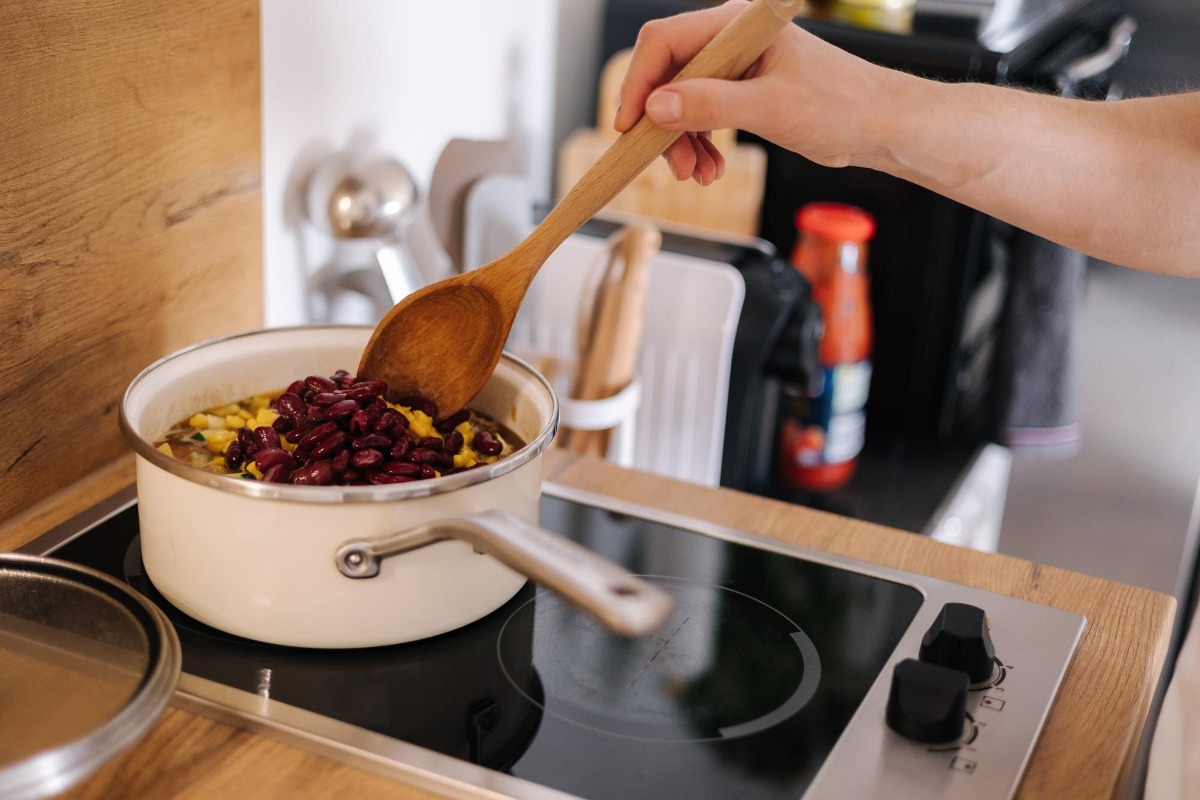
At lunch, a scoop of leftover beans goes over rice, but the beans taste flat even though the broth is well seasoned. Adding more seasoning now may improve the broth, but it cannot reach the center of each bean or restore skins that split during cooking. A small choice made before the pot settles into a simmer can make a difference, although cooking time and water conditions still matter.
Early salt helps bean skins soften
Add salt to the soaking water and the cooking pot for beans with tender skins and more flavor. Salt loosens the structure of the skins, so adding it early does not toughen them as traditional advice suggests. It can also shorten cooking time, but it cannot keep beans from turning mushy if they cook too long.
For a batch of dried beans, stir 1 teaspoon of salt into 4 cups of soaking water. After soaking, drain the beans, put them in a pot with fresh water, and add another teaspoon of salt before cooking. Taste and adjust the seasoning once the beans are tender, particularly if they will go into a dish with other salty ingredients.
Hard water can keep beans tough
Calcium and magnesium in hard water can bond with bean cell walls, slowing softening and leaving the beans chewy. That can make a long simmer frustrating: the beans may need more time even though salt was added early. If this happens repeatedly, try filtered water for the next batch rather than adding more salt.
Soaking is useful, but it is not a guarantee of evenly cooked beans. Research found that a 12-hour soak reduced splitting and cooking time in the beans tested across the water types studied. That finding concerns cooking performance, not digestibility, and does not mean every bean variety will finish at the same time.
Kombu and bay leaves do different jobs
For beans that may be easier to digest, add a 4- to 6-inch (10- to 15-cm) strip of dried kombu once the pot reaches a simmer. Kombu can help break down some of the gas-producing carbohydrates in beans, but it will not eliminate them or prevent digestive discomfort for everyone. After 1 to 2 hours of simmering, it may break apart when stirred; leave it in or remove what remains.
Add 2 to 3 bay leaves during cooking for subtle depth, alongside onion, garlic, or celery if those flavors suit the dish. Bay leaves season the liquid rather than fix the beans’ texture. Remove any intact leaves before serving.
Check tenderness before the beans lose their shape
Keep the beans at a gentle simmer and check them regularly as they soften. Salt and kombu can help the skins become tender, but neither can reverse overcooking. If the beans are still hard, continue cooking until they are fully tender; if they have become too soft to serve whole, mash them into a seasoned soup or dip.
Refrigerate leftover cooked beans promptly at 40°F (4°C) or below rather than leaving the pot out overnight. For the next batch, start with salt, use filtered water if hard water is a problem, and check tenderness before the beans begin to fall apart.