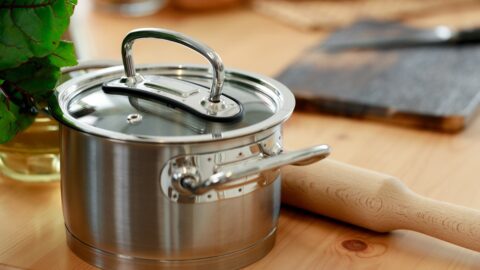
After dinner, a blackened pot sits in the sink, and every round of scrubbing seems to leave the stubborn residue untouched. What do seasoned cooks reach for when the usual cleanup routine fails?
Breakfast oatmeal boils dry, leaving a crust on the bottom of the saucepan. A rinse and dish soap lift the loose bits, but the cooked-on layer remains. A simple change in the cleanup routine can help, though the right choice depends on the pan’s material.
Two methods target burnt residue differently
Bar Keepers Friend powder can help scrub burn stains from stainless steel pots, while a warm-water soak with a dryer sheet may loosen lighter, stuck-on food. The powder combines chemical cleaning with abrasion; the soak gives moisture time to soften residue before wiping. Neither is a universal fix, and the cookware surface matters as much as the stain.
Professional chefs emphasize timing rather than either product: wiping away loose food and starting cleanup while the pan is still warm can keep residue from becoming harder to remove. Let a pot cool enough to handle safely before adding water or scrubbing. A badly scorched surface may still need a longer soak and more than 1 cleaning pass.
Bar Keepers Friend helps remove stains from stainless steel
Bar Keepers Friend Cleanser contains oxalic acid, along with an abrasive and a surfactant. The acid helps with discoloration, while scrubbing helps lift residue from the metal. That combination makes the powder a reasonable choice for a burnt stainless steel pot, particularly when ordinary dishwashing leaves stains behind.
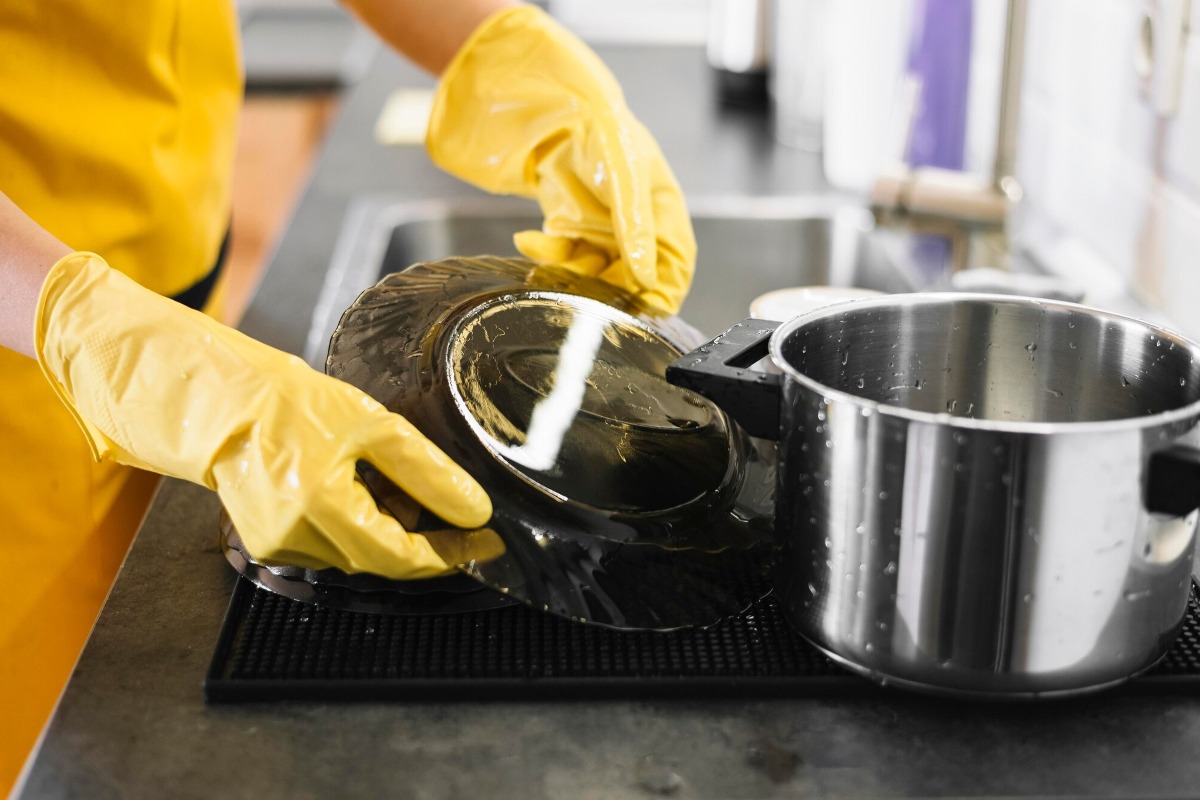
First, wet the burnt area. Add a small amount of powder and enough water to make a paste, then scrub gently with a damp sponge or cloth while wearing rubber gloves. Rinse the pot thoroughly and wash it before cooking in it again; do not leave cleanser residue on a food-contact surface.
Skip the powder on nonstick coatings and easily scratched polished surfaces, where abrasion can damage the finish. Check the product label and the cookware maker’s care instructions before using it on any other material. If the surface is uncertain, start with warm water and dish soap instead.
A dryer sheet soak is an option for lighter residue
For stuck-on food that is not deeply baked on, fill the pot with a few inches of warm water, add 1 drop of dish soap and submerge 1 dryer sheet. Soak for 15 minutes, or overnight for a stubborn scorch, then remove the sheet and wipe the pot with a non-abrasive sponge. Empty the pot, wash it with dish soap and rinse thoroughly before using it for food.
The sheet’s conditioning coating may help soften residue, but that explanation has not been confirmed by a scientific study. A soak is less likely to clear heavy charring or metal discoloration, and a dryer sheet is not necessary for routine cookware cleaning. Keep used sheets away from children and pets, and use a plain dish-soap soak if avoiding dryer-sheet residue is a priority.
The cookware surface sets the limit
When food remains stuck, soak the pot again with warm water and dish soap, then use a sponge appropriate for its surface. Avoid steel wool on finishes that scratch, and do not use an abrasive cleanser to force a nonstick coating clean. Never mix cleaning products, especially bleach with vinegar or ammonia; rinse one product away before trying another.
For the next burnt pot, check its care instructions first. Choose the powder for compatible stainless steel stains, or begin with a warm, soapy soak when the finish needs gentler handling.