After dinner, leftovers pile up while you clear the table and make room in the fridge. One seemingly harmless cleanup habit could affect whether tomorrow’s meal is safe to eat.
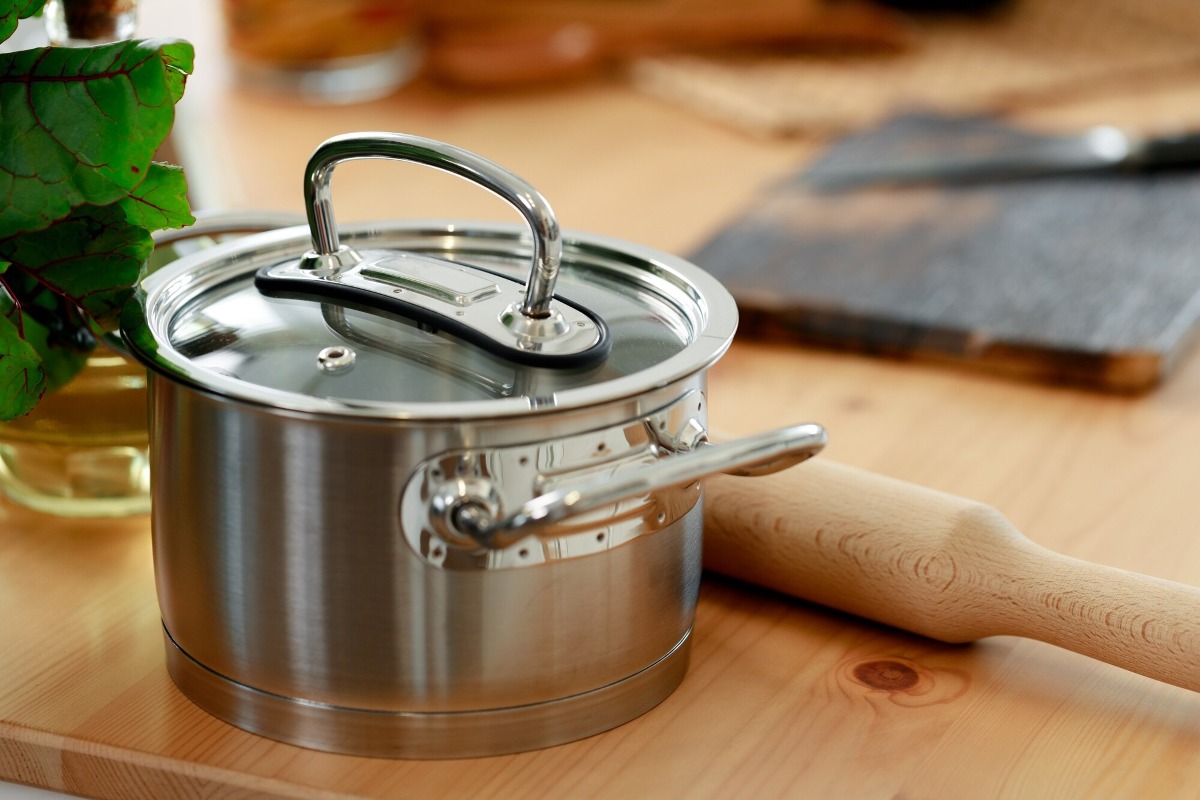
The last bowl of chili is served, and the rest is still warm on the stove. Putting it in the refrigerator seems like enough, but that familiar step alone does not settle the food safety question. A small choice before storage can make a difference.
A large cooking pot slows the cooling of leftovers
Storing leftovers in the pot they were cooked in can be a food safety risk because a large amount of food cools slowly. While the center stays warm, bacteria have more time to multiply. The USDA’s Food Safety and Inspection Service (FSIS) uses a big pot of soup as an example and advises dividing large amounts of food into shallow containers instead.
Leaving the pot on the stove to cool before refrigerating it does not solve the problem. The food remains warm during that wait, and a full pot may still cool slowly after it goes into the refrigerator. Moving leftovers into shallow containers first gives the food a better chance to cool quickly.
Warm food gives bacteria time to multiply
The USDA calls 40°F to 140°F (4°C to 60°C) the “Danger Zone” because bacteria multiply quickly in that temperature range. A deep pot holds a large volume of heat, so food near its center can remain warm longer than food spread among smaller containers. That is the concern even when the pot has a lid and looks ready to store.
FSIS says to refrigerate or freeze leftovers within 2 hours of cooking. When the surrounding temperature is above 90°F (32°C), that window shrinks to 1 hour. These are deadlines for putting food away, not suggested times to leave it on the counter to cool.
Shallow containers help leftovers cool faster
Once cooking is finished, portion soup, stew, or other leftovers from a large pot into smaller, shallow containers. Put the containers in the refrigerator or freezer immediately rather than waiting for the food to reach room temperature. This follows the FSIS recommendation to divide large amounts into shallow containers for quicker cooling.
Use enough containers that the food is spread out rather than piled deeply into 1 large container. Date the containers so it is easier to track how long they have been stored. A smaller serving left in a pot is not automatically unsafe, but transferring it still makes portioning and prompt refrigeration easier.
Cold storage does not erase earlier delays
FSIS recommends eating most refrigerated cooked leftovers within 3 to 4 days. Freeze portions that will not be eaten in that time; frozen food can remain safe for a long time, though its texture and flavor may decline. Reheat leftovers to an internal temperature of 165°F (74°C) before eating.
If perishable leftovers sat out beyond the 2-hour limit, or beyond 1 hour when the surrounding temperature was above 90°F (32°C), discard them. Do not use a taste or smell check, or later reheating, as a reason to keep food that missed those limits. Next time, set out shallow containers before serving so the rest of the meal can go straight into the refrigerator.