After Thanksgiving dinner, the fridge fills with turkey, stuffing, and gravy in mismatched containers. By the weekend, figuring out what still belongs on your plate can be less obvious than it seems.
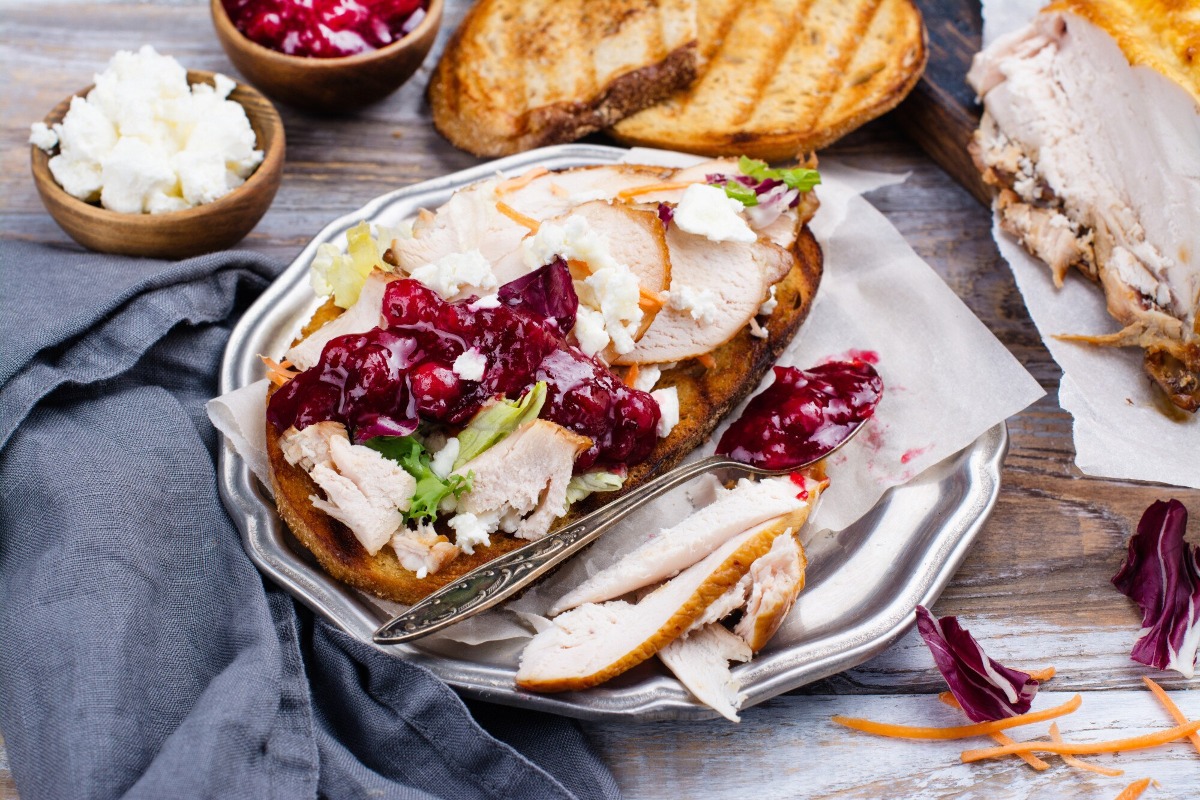
On Sunday, a container of Thanksgiving turkey comes out of the fridge for sandwiches. A quick sniff may seem like enough to decide whether to use it, but smell cannot reveal how long it sat on the counter or how cold the fridge stayed. The stuffing and gravy need the same attention. A simple check before lunch can make the decision less of a guess.
Cooked turkey lasts 3 to 4 days in the refrigerator
Cooked turkey keeps for 3 to 4 days when refrigerated at 40°F (4°C) or below. The same window applies to leftover turkey dishes, stuffing, and gravy, so the date the food was first cooked matters more than the date it is turned into another meal. USDA advises using or freezing Thanksgiving leftovers within 4 days.
That timeline assumes the food was handled safely before it reached the refrigerator. A container of turkey left on the table for hours does not get a fresh 3-to-4-day window once it is chilled. Labeling containers with the cooking date makes it easier to decide what to eat or freeze first.
Time at room temperature changes the safety window
Bacteria multiply quickly in the 40°F to 140°F danger zone (4°C to 60°C). Refrigerate cooked turkey and other perishable dishes within 2 hours of taking them out of the oven or setting them out to serve. If the surrounding temperature is above 90°F (32°C), that limit drops to 1 hour.
These limits apply even when turkey looks and smells normal. If a platter has sat out past the applicable limit, discard it rather than putting it away for later. Reheating is not a dependable way to make food safe after it has spent too long at room temperature.
Prompt storage makes the refrigerator window useful
After the meal, put turkey, stuffing, gravy, and other perishable leftovers into containers and refrigerate them promptly. Keep the refrigerator at or below 40°F (4°C), and wrap the food tightly to limit exposure to air and moisture loss. Count the 3 to 4 days from when the food was first cooked, including any time it spends in a newly prepared turkey dish.
For leftovers that will not be eaten within that window, freeze them within 4 days of cooking. USDA recommends using frozen turkey, stuffing, and gravy within 2 to 6 months for best quality. Wrap leftovers tightly before freezing to help protect their flavor and texture; freezing does not undo unsafe handling before storage.
Frozen leftovers still need careful handling
Thaw frozen turkey leftovers in the refrigerator, not on the counter, where the outside can warm while the center remains frozen. The thawing time depends on the size of the package, so plan ahead rather than leaving it out to speed the process. If leftovers were not refrigerated on time, or their storage history is uncertain, the practical choice is to discard them and start with a safely stored portion.