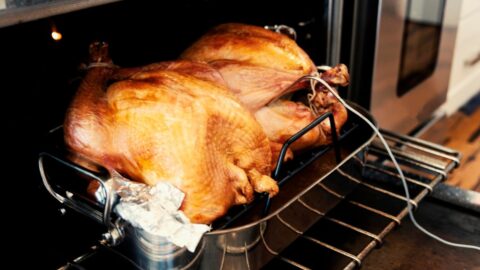
You make gravy for Sunday dinner, but without roast drippings, it tastes flat beside the mashed potatoes. The richness you’re missing might be easier to find than you think.
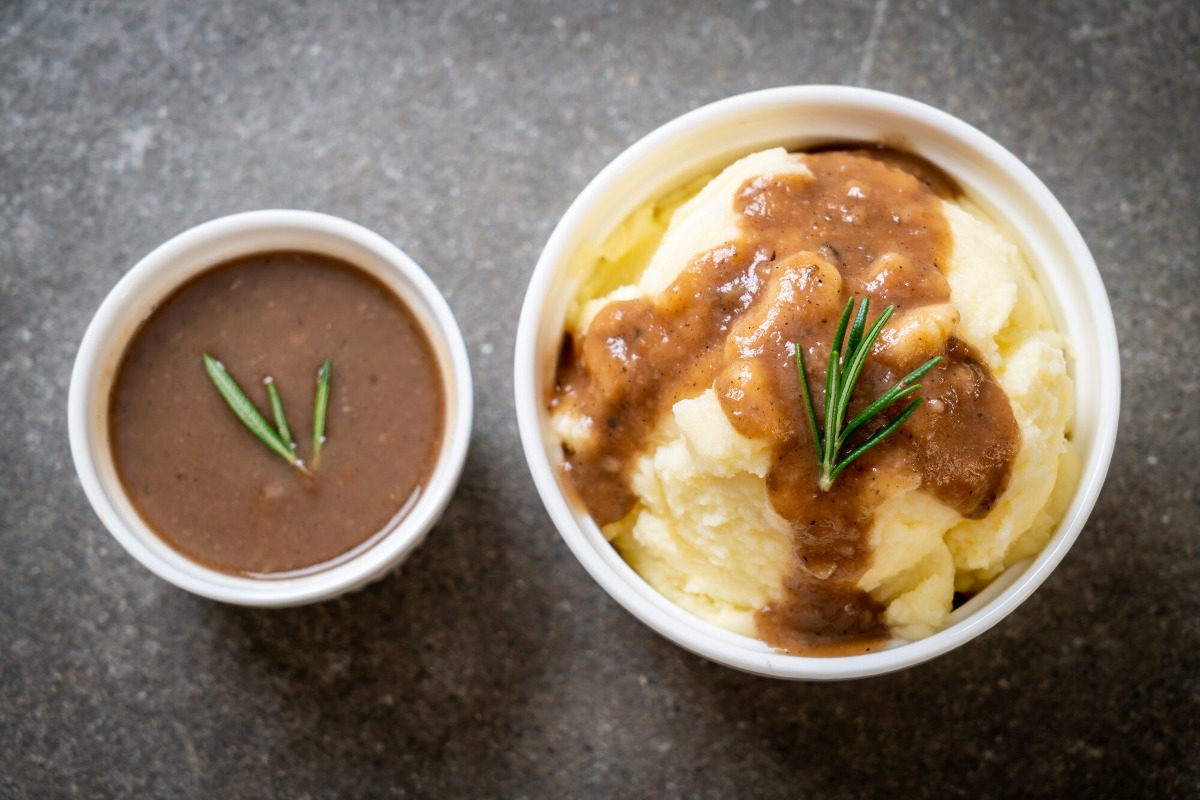
The gravy is smooth and bubbling in the saucepan, but the first taste is disappointingly mild. More time on the stove may make it thicker without making it more savory. A small adjustment before serving can add the depth that simmering alone cannot, as long as it is used with a light hand.
Soy sauce adds savory depth to gravy without drippings
A splash of soy sauce added at the end of cooking can make homemade gravy without roast drippings taste more savory. It supplies umami, the depth that gravy made only from broth or stock may lack, without necessarily making the finished gravy taste like soy sauce.
This is useful for a quick stovetop gravy or a vegetarian gravy that never had a roasting pan to draw from. Soy sauce can also deepen the color, but it cannot replace every flavor or the richness of a roast.
Roast drippings bring more than salt
Drippings contain juices and fat from the roast, along with flavors from browning in the pan. Together, they give traditional gravy a depth that plain broth may not provide. Umami is 1 part of that effect: glutamates contribute a savory taste that makes a sauce feel fuller.
That distinction matters when choosing a fix. An umami-rich sauce can strengthen a thin-tasting gravy, but it will not add browned bits or make a watery gravy thick. If the texture needs work, correct that separately rather than pouring in more seasoning.
Add savory sauces at the end and taste as you go
Once the gravy has cooked, stir in 1 tablespoon of low-sodium soy sauce and taste before adding more, up to 2 tablespoons if the gravy needs it. For a small amount of gravy, begin with less. Adding it at the end makes it easier to judge the finished flavor and avoid oversalting.
Worcestershire sauce is another option, but its flavor is more assertive. Stir in a few drops, taste, and add more only if needed, stopping at about 1/2 teaspoon. Its anchovy-derived savory notes can help round out gravy, while too much can make the sauce taste tangy or strongly seasoned.
Fish sauce can also supply umami because it is rich in glutamates. Add only a few drops at the end, stir well, and taste before adding more; a small amount can blend into the gravy without a pronounced fish flavor. These are alternatives, not ingredients that all need to go into 1 pan.
More seasoning cannot fix every gravy
If the gravy becomes too salty or assertive, stir in a little unsalted broth or stock and taste again. This will dilute the seasoning, though it may also thin the gravy. If soy sauce alone does not provide enough depth, another option is to stir in 1/4 teaspoon of Marmite and reassess before adding more.
Check labels when cooking for someone who avoids soy, wheat, fish, or gluten: these sauces do not all suit the same diets, and Worcestershire sauce may contain anchovies. Gravy made with perishable ingredients still needs proper refrigeration; adding a savory sauce does not preserve it. For the next batch, season the finished gravy a little at a time and stop when it tastes balanced.