
At Thanksgiving, green bean casserole can taste oddly flat even when the rest of the meal feels special. One small change to the usual recipe could have guests asking what you did differently.
The serving spoon breaks through the crunchy topping, but the green beans underneath taste mostly like the familiar canned sauce. The can makes assembly quick, yet its flavor can dominate the dish. A simple change can make the casserole taste more freshly prepared without adding much work.
Homemade mushroom sauce replaces the canned soup
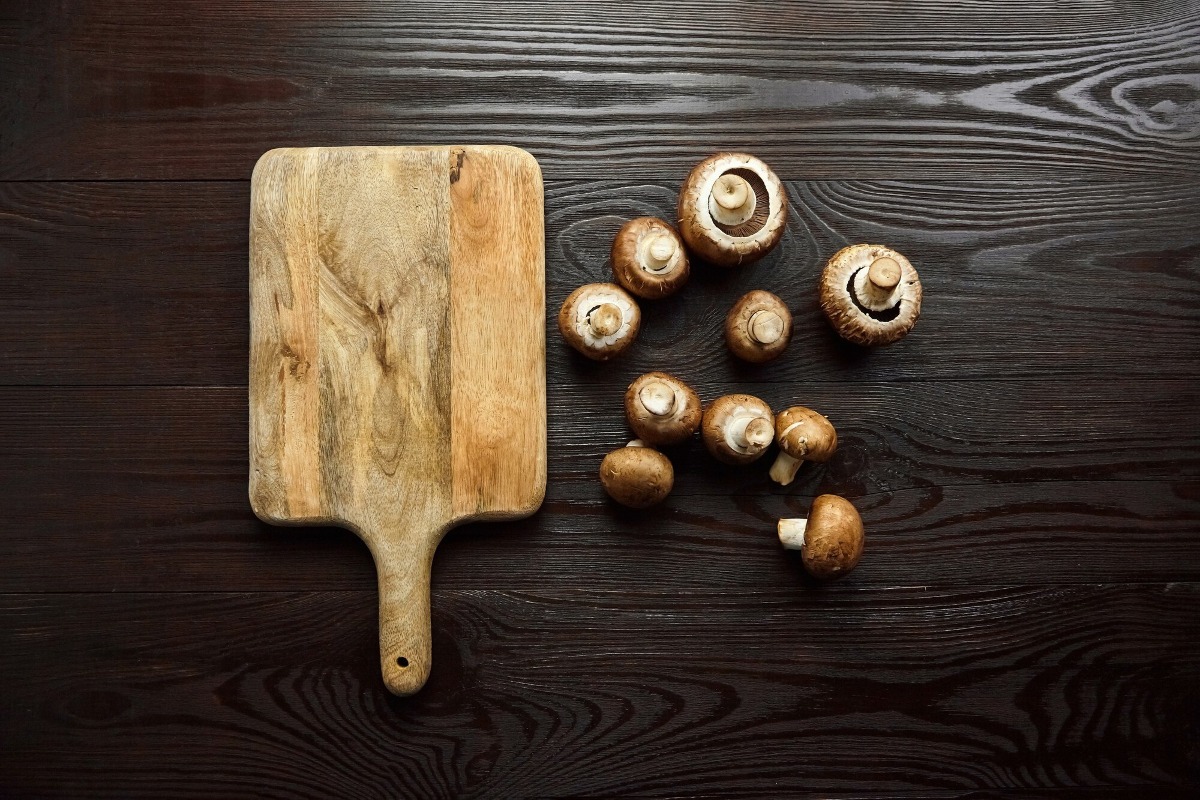
A homemade mushroom cream sauce is the most common swap for canned cream of mushroom soup in green bean casserole. It coats the beans and holds the dish together, while sautéed mushrooms, onion and garlic give it a fresh, savory flavor. Rather than relying on condensed soup for thickness, the sauce starts with a butter-and-flour roux and finishes with broth and milk or cream.
The original casserole was created in 1955 by Dorcas Reilly at Campbell’s. Canned soup made her green-bean bake convenient, but it is not necessary for the familiar creamy texture. A homemade sauce takes more work and lets the cook choose the mushrooms and seasonings.
A dairy-free mushroom sauce needs its own thickener
For a dairy-free version, sauté fresh mushrooms with onion and garlic until the mushrooms release their liquid and the pan no longer looks watery. Add vegetable broth and cashew cream for a creamy mushroom gravy, then stir until it coats the beans. Cooking off the mushroom moisture first helps keep the finished casserole from becoming thin.
Unsweetened plant-based milk or canned coconut milk can also replace dairy in the sauce, but some alternatives need help thickening. Mix cornstarch, tapioca starch or arrowroot powder into cool broth or plant-based milk before stirring it into the warm sauce; adding dry starch directly can leave lumps. Coconut milk may contribute a noticeable flavor or slight sweetness, so cashew cream or an unsweetened milk may be a better fit when a more traditional mushroom flavor is the goal.
Blanching the beans helps the casserole hold its texture
For fresh green beans, boil them for 4 to 5 minutes, then transfer them immediately to ice water. This stops the cooking before the beans go into the oven. Drain them well so water clinging to the beans does not dilute the sauce, then toss them with enough sauce to coat them evenly.
Add a crunchy topping and bake at 400°F (204°C) until the casserole is heated through and the topping is crisp. Panko with Parmesan is one alternative to canned fried onions; for a dairy-free dish, use a topping without cheese. Standard panko contains wheat, so anyone making a gluten-free casserole should choose a topping labeled gluten-free and check the other packaged ingredients, too.
A thin sauce is easier to fix before baking
If the sauce looks watery, let it thicken on the stove before combining it with the beans. If it becomes too thick, stir in a small splash of broth or plant-based milk. Overcooked beans will not regain their firmness in the oven; drain them gently and avoid baking longer than needed to heat the dish through.
Homemade sauce is not automatically lower in sodium than canned soup, especially when broth and salty seasonings are added. Taste the sauce before seasoning it, and check labels when dairy-free, vegan or gluten-free ingredients matter. Keep the finished casserole refrigerated rather than leaving it out after the meal.


