Your chicken soup has simmered all afternoon, but the first spoonful still tastes flatter than the bowl you remember from Grandma’s kitchen. What makes that familiar flavor so hard to capture at home?
At dinnertime, the ladle clinks against the pot as chicken soup goes into bowls. Reaching for more salt seems like the obvious move, but it can make the broth saltier without making it taste like the family version. The difference may come down to a small addition, not another hour on the stove.
Turmeric adds earthy depth to chicken soup
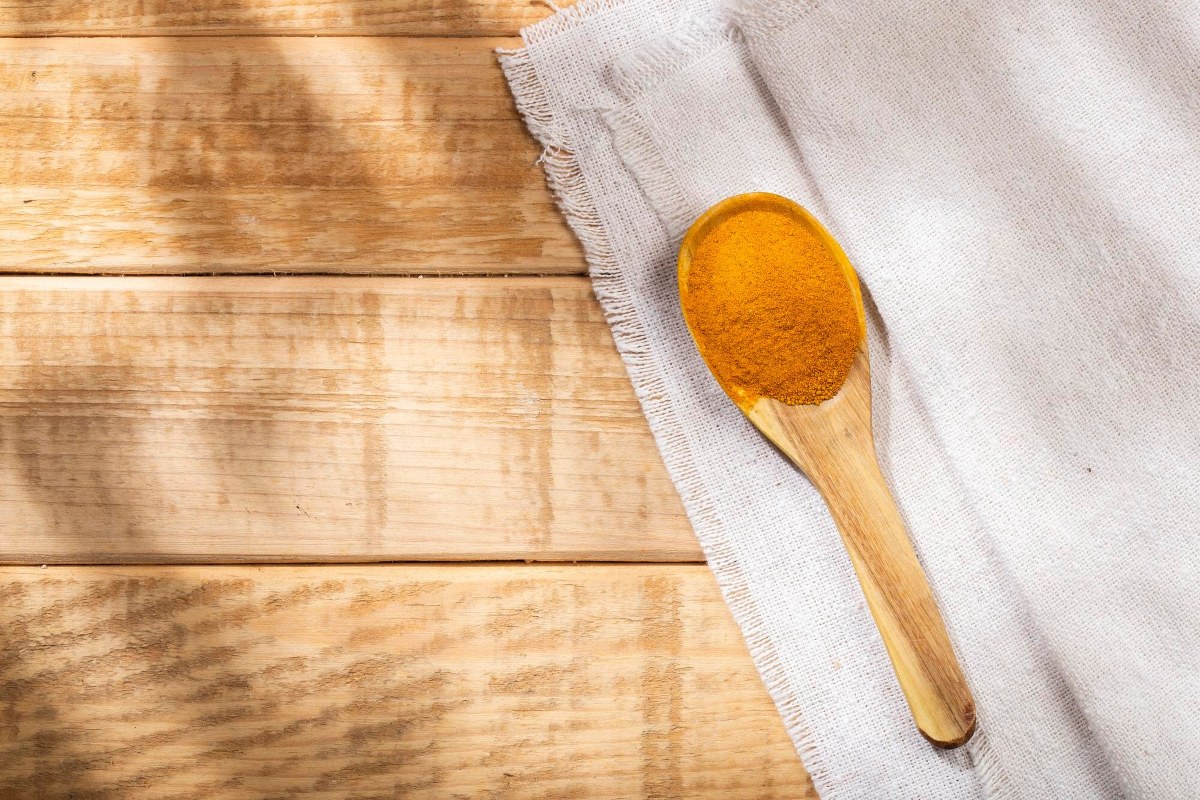
Ground turmeric is the spice-rack staple that gives chicken soup a warmer, earthier flavor and a golden-yellow color. Stir 1/2 teaspoon into the broth near the beginning of cooking so it has time to disperse; taste the finished soup before adding more, up to 1 teaspoon. Its color can make a simple broth look richer, but color alone does not mean the soup will taste more savory.
Turmeric works best as a supporting flavor, not a substitute for well-seasoned broth. Too much can make the soup taste bitter or mask the chicken and vegetables. Although turmeric contains compounds studied for their potential health effects, adding it to soup should be treated as a flavor choice, not a way to treat illness.
Chicken soup needs more than 1 kind of flavor
Chicken, onions, garlic and other vegetables provide a savory base. Browning chicken before adding liquid can build additional flavor on its surface, while simmering brings the ingredients together in the broth. A soup can still taste flat if those flavors are mild or if salt is doing most of the work.
Turmeric adds an earthy note rather than more salt. For a brighter contrast, fresh dill is another option: add about 1 small bunch, or 1/2 cup loosely packed, during the last 30 minutes of cooking. Dill is a traditional ingredient in Eastern European Jewish chicken soups, and adding it late helps preserve its delicate herbal flavor.
Fish sauce builds savory depth a few drops at a time
Fish sauce is a separate pantry-condiment option, not a spice-rack ingredient. Made by fermenting anchovies with salt, it adds concentrated savory flavor to broth. Start with a few drops, stir, and taste; if the soup needs more, add up to 1/2 teaspoon at a time. A small amount can deepen the chicken flavor without making the soup taste fishy.
Fish sauce also adds salt, so wait to make final salt adjustments until after tasting it in the soup. It is not suitable for anyone with a fish allergy; a cook serving guests should check the label and ask about allergies rather than assuming a small amount will go unnoticed. For a gluten-free meal, check the condiment label rather than assuming every fish sauce is gluten-free.
Flavor additions cannot fix every pot
Dill may fade if it simmers for too long, while extra turmeric or fish sauce can overpower a mild broth. If the soup becomes too strong or salty, add a little water or unsalted chicken stock, then taste again. Dried dill can contribute herbal flavor when fresh is unavailable, but it will not give the same fresh finish.
Flavor adjustments do not replace safe cooking. Cook chicken to 165°F (74°C), and refrigerate leftover soup within 2 hours at 40°F (4°C) or below. For the next pot, begin with 1/2 teaspoon of turmeric, save the dill for the final 30 minutes, and add fish sauce only after tasting the broth.