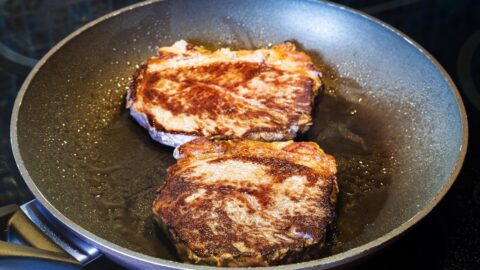
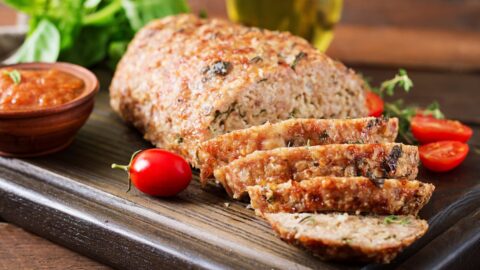
A weeknight sear can turn into a smoky mess before dinner is ready. Restaurant cooks keep another bottle nearby, but what makes it worth reaching for?
A tray of potatoes comes out of the oven with browned edges, but an acrid smell hangs in the kitchen. Turning down the heat may prevent the smell, but it can also make browning harder to achieve. A simpler adjustment starts before the pan reaches the oven, with a choice that is easy to overlook at the grocery store.
Refined avocado oil gives high-heat cooking more room before smoking
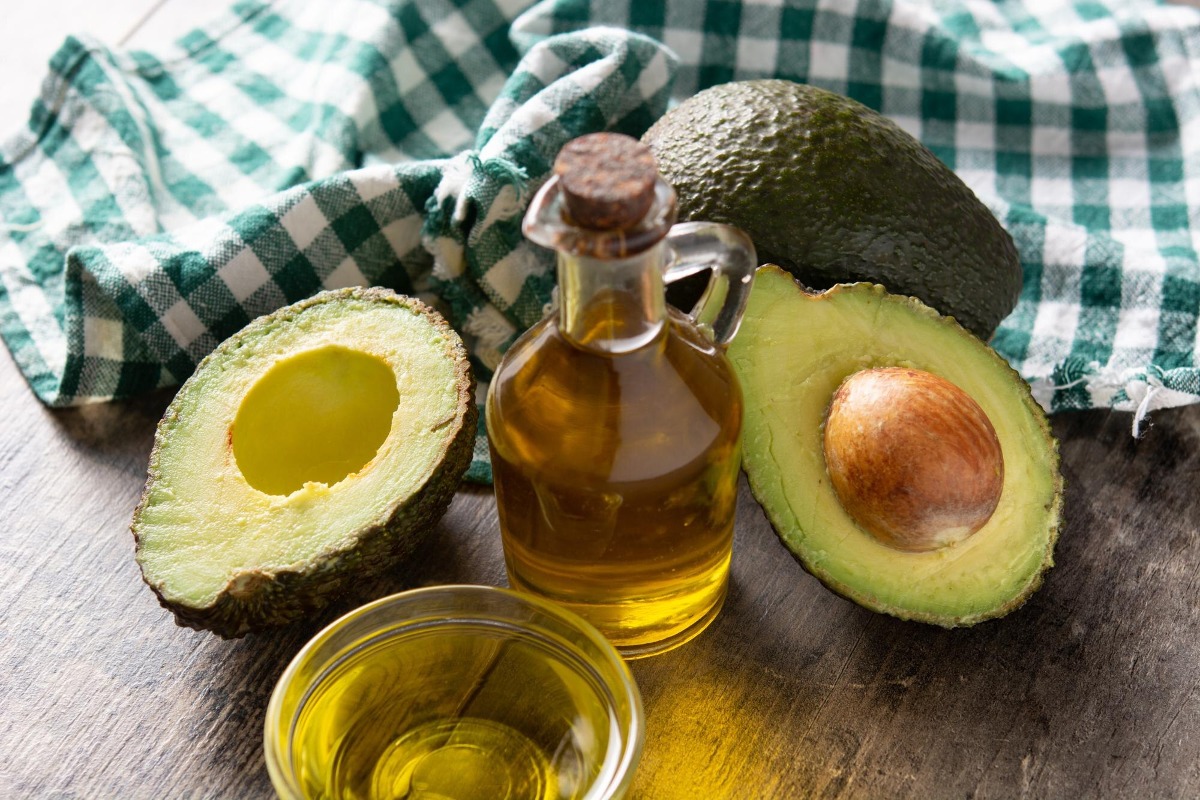
Refined avocado oil is a practical choice for searing, stir-frying, roasting, and frying because its smoke point is typically around 520°F (271°C). That gives cooks more room to work at high temperatures before the oil starts to smoke and affect the food’s flavor. It is especially useful when a neutral-flavored oil is wanted.
A smoke point is not a target cooking temperature. It marks when an oil begins to visibly smoke, and the exact point can vary with refinement and storage. A pan or grill surface can also have hotter spots than its temperature setting suggests.
Lower smoke points can leave less margin for searing
Extra-virgin olive oil has a reported smoke-point range of 325-410°F (163-210°C), while standard vegetable oil is around 400-450°F (204-230°C). Vegetable oil can still work well for searing, pan-frying, and deep-frying. The comparison does not mean that food cooked in olive oil is automatically unsafe; it means refined avocado oil generally offers more margin before visible smoking during especially hot cooking.
Smoke can bring an unpleasant odor and burnt flavor. Lower-smoke-point oils may start smoking sooner when a pan is heated aggressively, so a cook needs to watch the oil rather than rely only on a recipe’s heat setting.
Refining helps avocado oil tolerate higher heat
Refining removes some impurities and free fatty acids that can make oil smoke sooner. Avocado oil’s naturally low acidity also helps explain its high smoke point. These factors put refined avocado oil among the highest-smoke-point options on common cooking-oil charts, though published figures vary from about 500°F (260°C) to 570°F (299°C).
Avocado oil contains monounsaturated fats, which contribute to its cooking stability. Still, a high smoke point is not a guarantee that oil will never degrade: how hot it gets, how long it stays hot, and how it has been stored all matter. Refining also makes the flavor milder, so it is less likely to compete with the food.
Unrefined avocado oil also works for many hot dishes
Unrefined avocado oil has a lower reported smoke point, around 482°F (250°C), but that is still high enough for many high-heat methods, including frying. Its richer, buttery flavor may be more noticeable in the finished dish, making it appealing for drizzling as well. Choosing refined oil is a preference for extra smoke-point margin and a neutral taste, not a rule that unrefined oil cannot be heated.
Check the bottle for the manufacturer’s smoke-point guidance rather than assuming every avocado oil is identical. Keep either type in a cool, dark place to slow deterioration. If an oil smells rancid before cooking, replace it rather than trying to use it up.
A high smoke point does not replace careful cooking
For a hot pan, add the oil and watch it as it heats; begin cooking before it smokes. If it does smoke, turn off the heat, let the pan cool safely, and start again with fresh oil. Never leave heating oil unattended, and keep children and pets away from the stove.
Oil choice also does not determine whether meat is cooked safely; use a food thermometer to check doneness. For the next high-heat meal, choose refined avocado oil when a mild flavor and extra smoke-point margin are useful, then control the heat instead of treating the oil’s smoke point as a temperature to reach.