You’ve drained the pasta, but the sauce isn’t ready, and the noodles are starting to stick together. What you do next could affect the whole dish.
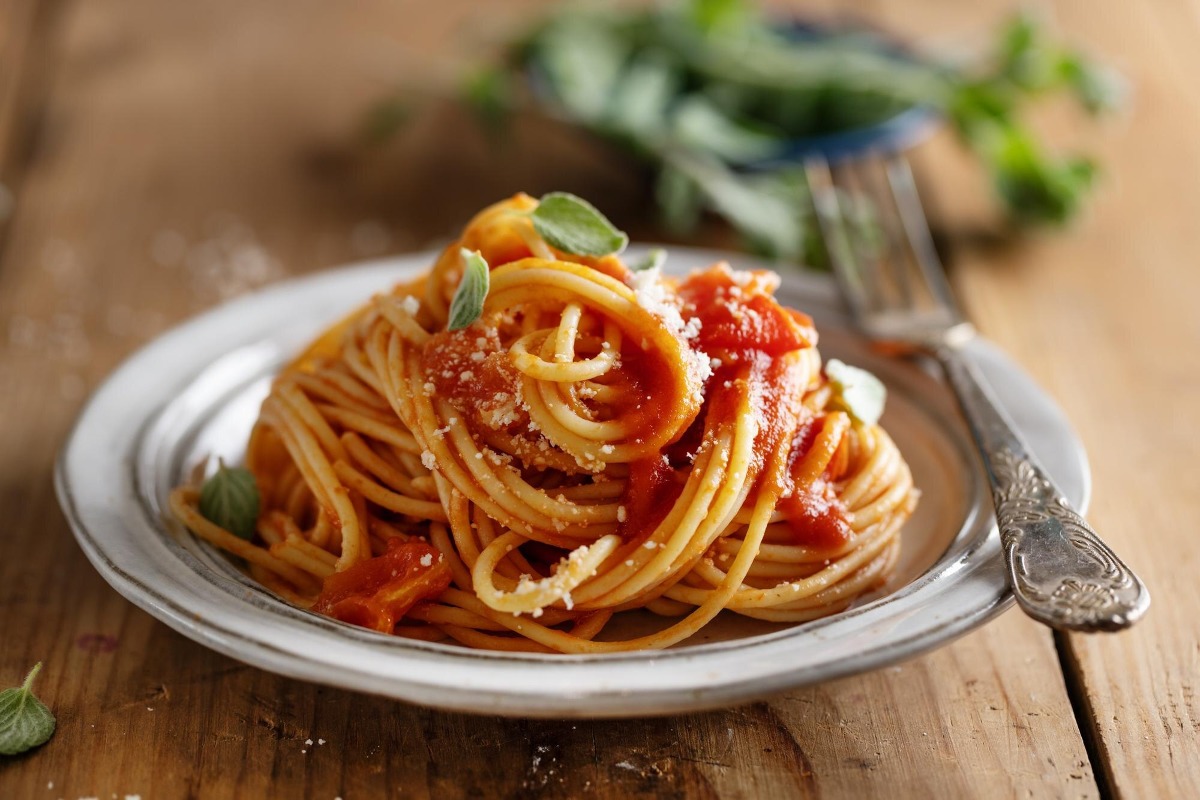
At dinner, tomato sauce pools at the bottom of the bowl while the spaghetti on top looks nearly bare. Adding more sauce seems like the obvious fix, but it does not always help coat each strand. A small choice made before the pasta reaches the bowl can make a difference, and the best choice is not the same for a hot dinner and a cold pasta salad.
Rinsing removes the starch that helps sauce stick
Do not rinse pasta meant for a hot, sauced dish. Cooking leaves a thin layer of starch on the noodles, and that starch helps sauce cling to and evenly coat them. Running water over cooked pasta washes the layer away, making it easier for sauce to slip off and collect at the bottom of the plate.
Some cooks rinse pasta to cool it quickly or keep it from clumping in a colander. Those goals make sense, but rinsing also cools pasta before it reaches the sauce and removes the starch that helps the finished dish come together. Barilla America executive chef Lorenzo Boni puts it simply: “I never recommend rinsing pasta.”
Starchy cooking water helps bring sauce together
Pasta releases starch into the pot as it cooks, so the cooking water can be useful, too. When a sauce contains fat, adding a little starchy water helps the water and fat combine into a more cohesive coating. The aim is to loosen and coat the pasta, not to make the sauce watery.
Before draining, scoop out 1 cup (240 ml) of pasta water and set it beside the stove. Add some only after the drained pasta is in the sauce, then toss and add more as needed. A thin sauce may need very little; saving the water gives the cook control without committing the whole cup.
Quick draining works better for hot pasta
Have the sauce ready and warm before the pasta finishes cooking. Drain the pasta in a well-perforated colander, shake it lightly to release water caught between the pieces, and transfer it directly to the sauce. Tossing promptly coats the noodles before they have time to sit together and clump.
America’s Test Kitchen recommends a “pierced” colander rather than a mostly solid one with only a few clusters of holes. More open drainage helps water leave quickly instead of collecting around the pasta. If the pasta must wait, leaving it in the colander is not a good substitute for having the sauce ready; it can continue to soften and stick together.
Cold salads are the main exception
For a cold pasta salad, rinsing serves a different purpose. Cool water stops the cooking process and removes excess surface starch so the pieces are less likely to stick as they cool. That trade-off matters less when the pasta will be served cold rather than immediately tossed with a hot sauce.
Rinsing can also be appropriate for noodles headed into a hot wok, where less surface starch can help prevent clumps during a second round of cooking. Neither exception calls for leaving cooked pasta out for extended periods. For a cold salad, rinse, drain, assemble and refrigerate promptly; for a hot sauced meal, keep the starch and move the drained pasta straight into the pan.