After work, it’s easy to toss familiar shortcuts into your grocery cart when dinner needs to happen fast. But some of those everyday purchases would make a chef pause before checkout.
The pasta reaches the table, but the sauce tastes flat despite a fresh grocery run. More seasoning may not help if the ingredients were disappointing to begin with. Chefs pay closer attention to a few routine purchases, and choosing differently does not have to mean making every meal from scratch.
Seven common shortcuts trade prep time for control
Seven grocery items many chefs avoid are pre-shredded or pre-grated cheese, jarred minced garlic, bottled lemon juice, pre-cut fruit and vegetables, bagged salad greens, bottled dressing, and store-bought pesto. These products save preparation time, but coatings, preservatives, exposed cut surfaces, or storage can change how ingredients taste and behave in a dish.
That does not make every packaged option a poor choice. A useful approach is to spend prep time where the difference matters most, such as cheese meant to melt smoothly or lemon juice added for its fresh flavor. Buying ingredients for home cooking also gives the cook more control over when they are cut or grated.
Freshly grated cheese and minced garlic behave differently
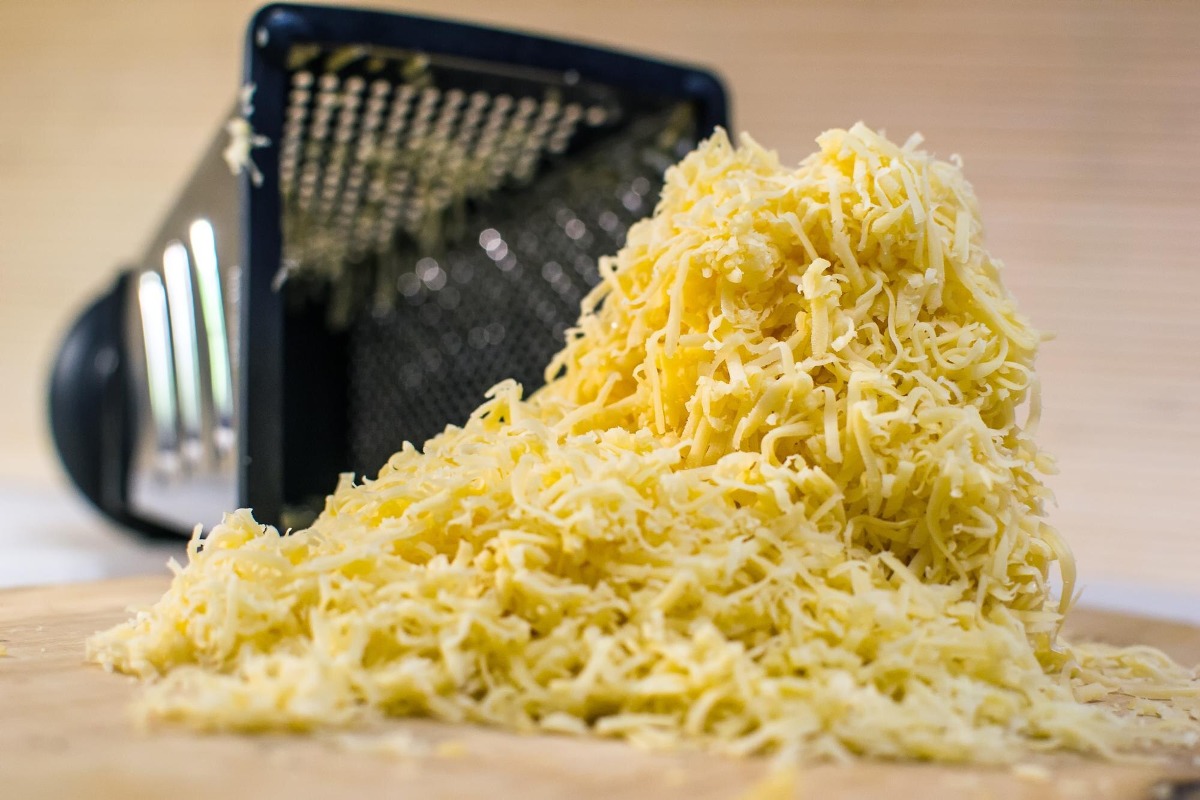
Pre-shredded cheese may contain cellulose or starch to keep the pieces from clumping. Those coatings can interfere with a smooth melt, so grating a block just before making a cheese sauce or topping a hot dish is worth considering. Some packages also contain natamycin to prevent mold; the ingredient label shows what is in a particular bag.
Pre-grated Parmesan can contain cellulose, too. Grating it from a piece of cheese avoids that coating and lets the cook choose a fine or coarse texture. Bagged shreds and grated Parmesan remain practical when speed matters more than the texture of the finished dish.
Jarred minced garlic is often preserved with acids such as citric or phosphoric acid. It lacks some of the pungent aroma cooks expect from freshly cut garlic, which is especially noticeable in a simple dressing or sauce. Fresh garlic is a better choice when that flavor is central, while a jar can still save time in a busy kitchen.
Cut surfaces make produce more perishable
Cutting fruit and vegetables exposes more surface area to air and handling, making quality harder to maintain than with whole produce. Buying whole items and cutting them closer to serving time can help preserve texture. Pre-cut produce is still useful when it makes a meal possible; keep it refrigerated and discard it if it shows signs of spoilage.
An expert has described bagged, pre-washed greens as carrying a slightly higher bacterial risk than whole heads or loose bunches prepared at home. That is not a guarantee that loose greens are safe, and washing produce does not eliminate every germ. Follow the package directions for ready-to-eat greens, and keep greens refrigerated.
Fresh citrus and homemade sauces offer more flavor control
Chefs often favor freshly squeezed lemon juice over bottled juice when its bright flavor will stand out. Bottled juice can still be convenient in dishes where lemon is a minor ingredient. Neither choice should be treated as interchangeable in a recipe that specifies a particular juice for food preservation.
Bottled dressing and store-bought pesto also save work, but making either at home lets the cook adjust its flavor. A simple dressing can use oil, vinegar, and herbs; pesto can draw on basil, garlic, nuts, and olive oil. For a manageable start, choose 1 swap for the next grocery trip rather than replacing every convenience product at once.