
That container of cooked chicken from the weekend still looks tempting when you open the fridge midweek. But is it safe to put on your lunch plate?
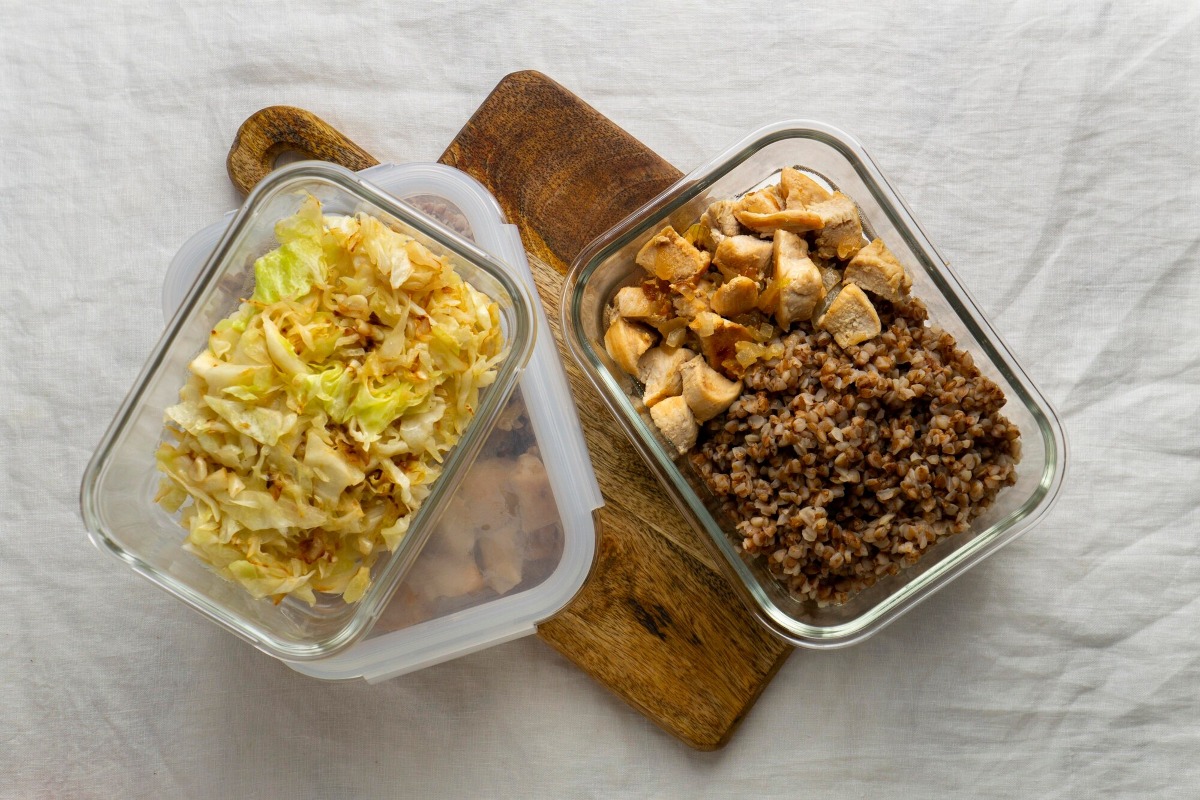
After dinner, a container of leftovers gets tucked behind the milk. When it turns up later in the week, a sniff test may seem like enough to decide whether to eat it. But food can look and smell fine even when it is no longer safe. A small step at cleanup can make that decision less of a guess.
Most leftovers belong in the fridge for 3 to 4 days
The USDA Food Safety and Inspection Service (FSIS) says most cooked leftovers should be eaten within 3 to 4 days in the refrigerator or frozen for longer storage. That window limits the time bacteria have to grow, even when food still looks and smells normal. Day 4 is the outer edge of the USDA’s range, not a guarantee that every leftover is safe until then.
Use the day food was cooked as a reference and label containers before putting them away. The USDA’s 3-to-4-day refrigerator window applies to most cooked leftovers, but some foods have a shorter recommended storage time.
Cold temperatures slow bacterial growth
Refrigeration slows the growth of bacteria that can cause foodborne illness; it does not stop that growth altogether. FSIS identifies 40°F to 140°F (4°C to 60°C) as the “Danger Zone,” where bacteria grow most rapidly and can double in number in as little as 20 minutes.
That is why time on the counter matters as much as time in the fridge. A dish left at room temperature too long does not get a fresh 3-to-4-day window once it is refrigerated. Appearance and smell are not reliable checks because harmful bacteria may be present without an obvious change.
Prompt storage gives leftovers their best chance
Refrigerate leftovers within 2 hours of cooking, or within 1 hour when the surrounding temperature is above 90°F (32°C), such as at an outdoor gathering. Divide a large batch among shallow containers before refrigerating it so the food cools more quickly and evenly than it would in 1 deep container. Keep the containers covered to protect the food during storage.
When serving leftovers, reheat them to an internal temperature of 165°F (74°C). Reheating is not a way to rescue food that sat out beyond the time limit or spent too many days in the fridge. Discard leftovers left out for more than 2 hours, or more than 1 hour above 90°F (32°C), rather than refrigerating or reheating them.
Some leftovers need an earlier decision
Not every cooked food gets 4 days. The FDA’s refrigerator storage chart gives gravy and meat broth just 1 to 2 days, compared with 3 to 4 days for cooked meat and meat dishes. Check the storage guidance for a particular food instead of assuming the longest window applies to everything on the plate.
If leftovers will not be eaten within their refrigerator window, freeze them while they are still within that window. FSIS recommends 3 to 4 months in the freezer for best quality; food kept continuously at 0°F (-18°C) remains safe longer, though it can lose moisture and flavor. Label containers with the date, and discard food that has already exceeded its safe refrigerator time rather than freezing it late.


