You pull sweet potatoes from the oven for dinner, but they taste bland and feel disappointingly firm. Before you bake the next batch, there’s one simple step you might never think to try.
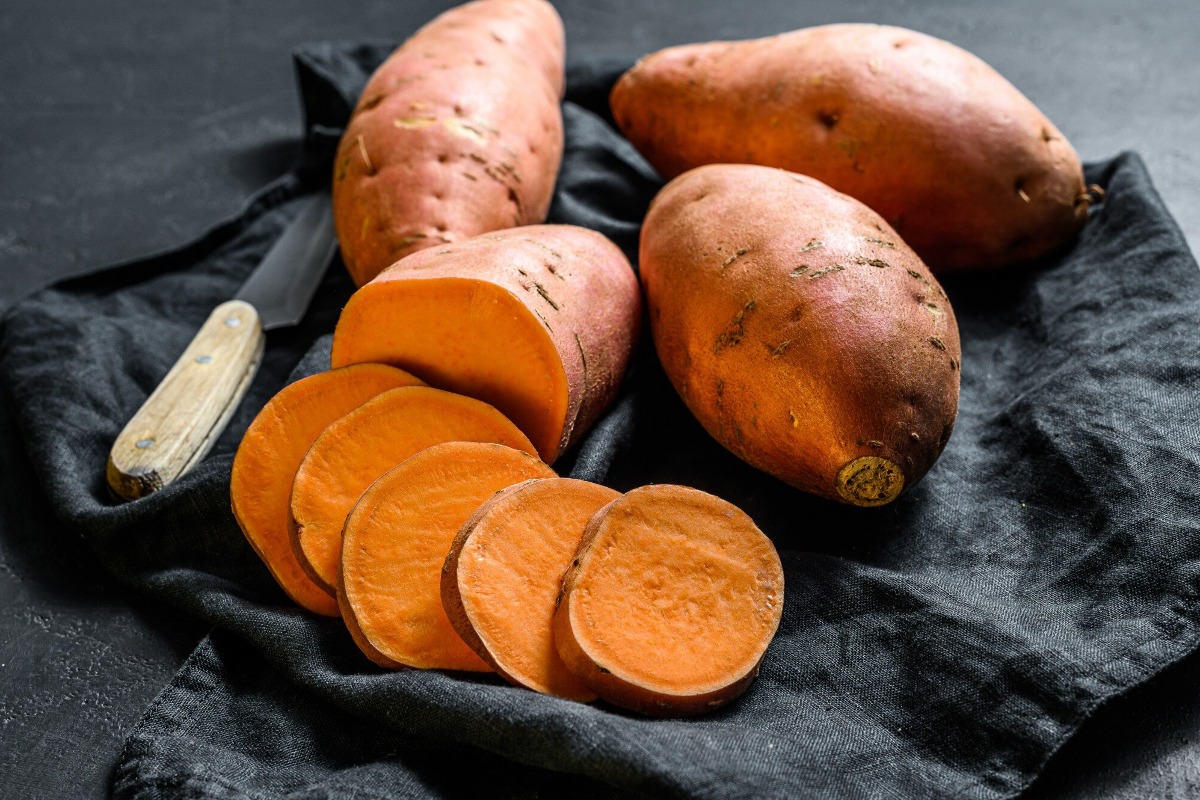
At the grocery store, 2 sweet potatoes go into the cart for an easy side dish. Washing them and sliding them straight into a hot oven is convenient, but that routine does not always bring out their natural sweetness. A small step before baking can make the centers softer and sweeter, with no added sugar.
Freezing whole sweet potatoes changes their baked texture
Freeze whole, unpeeled sweet potatoes before baking for a softer interior and a sweeter, more caramelized result. Water inside the potatoes forms ice crystals as it freezes, disrupting the flesh so it softens more readily during cooking.
Keeping the skin intact also holds in some moisture while the potato heats. The result can be creamy inside rather than dry, though freezing alone does not guarantee sweetness: the way the potato warms in the oven matters, too.
Time at moderate heat helps starch turn sweet
Sweet potatoes contain amylase, an enzyme that breaks relatively flavorless starch into maltose, a sugar less sweet than table sugar. This conversion works best while the potato’s interior remains between 135°F and 170°F (57°C and 77°C) for an extended period. A quick blast of high heat may give the enzyme less time to work.
Starting with a frozen potato means its center warms gradually, even in a hot oven. Sugars can also brown where the potato gets hot enough, adding caramelized flavor. Freezing before roasting has roots in traditional Chinese street food, but the method is easy to try in a home oven.
A freezer and a baking sheet are enough
Wash medium to large whole sweet potatoes and leave them unpeeled and unpierced. Place them in the freezer with space around each one for at least 6 to 8 hours, or overnight. Freezing them whole preserves the skin, which helps contain moisture as they bake.
When ready to cook, preheat the oven to 400°F (204°C). Transfer the potatoes directly from the freezer to a parchment-lined baking sheet, then bake for about 1 hour. Check that the centers are soft before serving; larger potatoes may need more time.
This 400°F (204°C) method is a practical starting point, not a guarantee that every potato will spend the same amount of time in the enzyme’s preferred temperature range. Potato size and how thoroughly it froze can change the result. Use the soft center, rather than the clock alone, to decide when it is done.
Whole potatoes work better than cut pieces
Cutting sweet potatoes before freezing exposes more flesh, so pieces can lose moisture and cook differently from whole potatoes. If the goal is a soft baked potato, keep the skin intact until after cooking. Do not rely on freezing to improve a potato that is already spoiled; discard it instead.
If a batch turns out dry, check for tenderness sooner next time rather than extending the bake automatically. A light coating of oil can improve the skin’s texture, but it will not replace moisture lost from an overcooked interior. For the next batch, start with whole, fully frozen potatoes and check the centers at about the 1-hour mark.