Meatloaf can look perfect coming out of the oven, then turn dry and crumbly by the time dinner hits the table. The difference may come down to one unexpected addition already sitting in your kitchen.
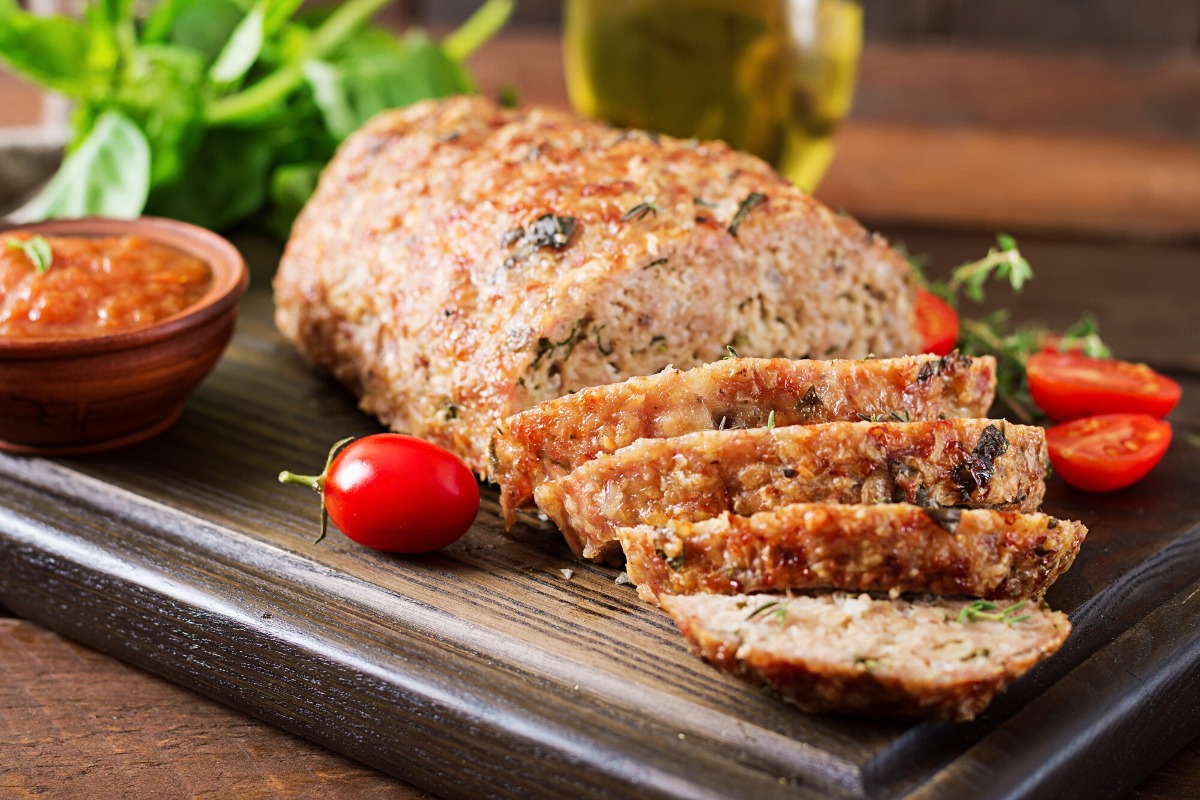
The ketchup bottle lands on the table before anyone cuts into tonight’s meatloaf. Extra sauce can add flavor, but it cannot change the loaf’s texture. A small addition made while mixing the beef may help, and it is probably already in the refrigerator.
Mayonnaise adds moisture to meatloaf
Mayonnaise is the spoonful ingredient to add to meatloaf for a more tender slice. Its oil-in-water emulsion distributes fat and moisture through the ground meat, helping the loaf stay moist as it cooks.
For 1 pound of ground meat, mix 1 to 2 tablespoons of mayonnaise with the other ingredients before shaping the loaf. That small amount is meant to improve texture without making mayonnaise the dominant flavor. Standard mayonnaise works; rich, egg-yolk-based Kewpie mayonnaise is another option if a fuller flavor is welcome.
Dry meatloaf has more than 1 cause
Mayonnaise helps with moisture, but it cannot undo overcooking. Lean meat can also produce a drier loaf, especially when the recipe has too little moisture or too few ingredients to soften the meat’s texture.
Mix only until the ingredients are evenly distributed. Excessive mixing works the meat proteins into a tighter texture, making the finished loaf denser. Adding more mayonnaise will not fully correct a loaf that has been heavily mixed or cooked well past its safe temperature.
Onion, gelatin and panade offer other ways to soften the loaf
Grate onion rather than dicing it when a recipe calls for onion. Grating releases juices that spread through the meat and add moisture and flavor without leaving chunks of onion in each slice. It complements mayonnaise, though neither ingredient makes thermometer checks optional.
For a lean, all-beef loaf, another option is 1 teaspoon of unflavored gelatin mixed into about 1/2 cup of milk per pound of meat. Prepare the gelatin in the milk according to its package directions, then mix it with the other ingredients before shaping the loaf. Gelatin can help give all-beef meatloaf a softer, moister texture, but it is not a substitute for cooking it safely.
A panade takes a different approach: combine 1/2 cup of fresh breadcrumbs with 1/2 cup of milk per pound of ground meat, let the bread absorb the milk, then fold it into the meat. The hydrated starch gets between meat proteins, limiting how tightly they bind during cooking. For a gluten-free or dairy-free loaf, use suitable bread or milk alternatives only if they work with the chosen recipe; check labels rather than assuming the finished loaf meets either need.
A thermometer sets the cooking limit
Check the center of the loaf with a food thermometer. Ground beef meatloaf must reach a safe minimum of 160°F (71°C); a chicken or turkey meatloaf must reach 165°F (74°C). Appearance and moisture are not reliable ways to judge whether ground meat is safe.
Do not lower the target temperature to keep the loaf juicy. If it tends to dry out before reaching the required temperature, adjust the mixture or check the oven rather than serving it undercooked.
A dry loaf calls for an oven check
If meatloaf still comes out dry, use an oven thermometer to see whether the oven is running hotter than its setting. For the next loaf, try grated onion or a panade, mix gently, and begin checking the center before the recipe’s expected finish time. Stop cooking when the loaf reaches its safe minimum temperature.