
You make rice for a weeknight dinner, but the grains turn out clumpy instead of light and separate. A small habit at the stove may be behind it, even when you follow the package directions.
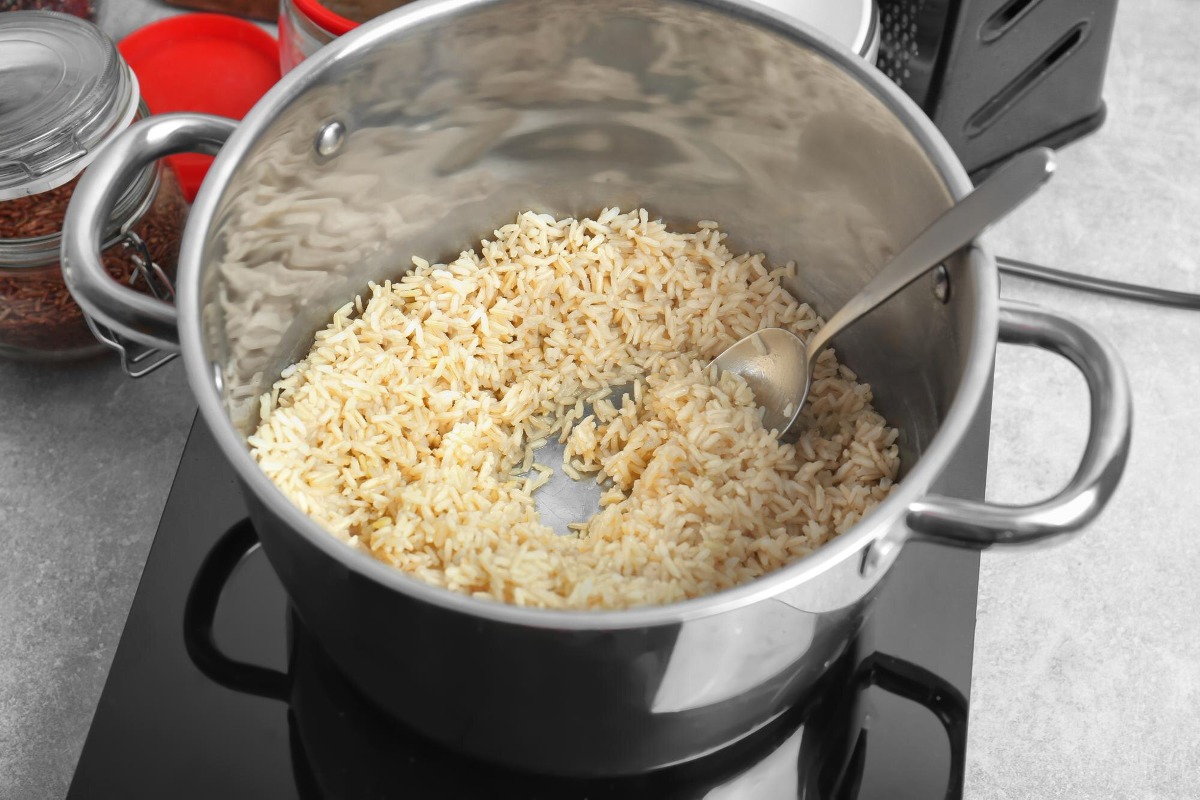
The vegetables are ready, but the rice still has several minutes left on the stove. It is tempting to fuss with the pot while dinner waits, yet measuring the water correctly cannot prevent every texture problem. A small change in that routine can help the rice turn out better.
Stirring simmering rice releases starch and makes it gummy
For fluffy rice cooked by the covered absorption method, leave it alone while it simmers. Stirring knocks starch off the grains and into the cooking water, where it contributes to a sticky coating instead of letting the grains stay separate.
Repeated stirring can also break rice that is still absorbing water. The broken pieces are less uniform and can make the finished pot seem mushier. This is why stirring to check on rice often creates the texture it is meant to prevent.
The lid helps rice cook evenly
The USA Rice Federation advises against stirring rice during simmering because it releases starch and makes the rice sticky. Chef Brian Enyart likewise notes that stirring breaks down rice and knocks off exterior starch. Chef Chantheun Thanh points to another consequence: delicate grains can break into uneven pieces while they rehydrate.
A snug-fitting lid matters, too. It keeps steam in the pot so the liquid and heat can cook the grains as the recipe intends. Lifting the lid repeatedly lets steam escape; stirring then disturbs the grains at the same time. If the lid fits poorly, leaving the rice untouched alone may not be enough to produce fluffy results.
Rinse first, then simmer without stirring
For a recipe that calls for rinsing, rinse the uncooked rice before adding it to the pot. That removes some surface starch before cooking starts. Use the rice and water amounts specified by the recipe or package, bring them to the required simmer, and cover with a snug-fitting lid.
Follow the timing for that particular rice and method rather than treating 1 cooking time as universal. For example, RecipeTin Eats specifies 13 minutes of covered, low-heat simmering for its stovetop white rice method, without stirring or removing the lid. Other rice varieties and instructions may call for different amounts of water and time.
After the rice finishes cooking and resting as directed, lift it gently from the bottom with a fork, using a folding motion to separate the grains. Vigorous stirring at this point can still break them. If the rice is undercooked or the pot has run dry, follow the recipe’s troubleshooting directions rather than scraping and stirring the grains.
The no-stir rule does not apply to every rice dish
A brief stir before covering the pot is part of some absorption-method instructions; the problem is repeated stirring during the covered simmer. Fried rice is different as well: stirring during frying helps move the already-cooked rice through the pan. The goal there is not to hydrate tender grains under a lid.
Rinsing does not cancel out the effects of stirring later, because motion can loosen more starch as rice cooks. For the next pot of steamed rice, choose a recipe suited to the rice on hand, keep the lid on through its simmer, and save the fork for after the resting step.


