
On a busy weeknight, choosing a frozen vegetable can feel like a gamble when dinner needs help fast. But chefs keep reaching for the same unassuming bag, and their reason might change your next grocery run.
The rice is nearly done, but the vegetables meant to go with it have wilted in the crisper. Buying fresh only helps if it gets cooked before it spoils, and another trip to the store may not be practical. An easy-to-overlook freezer staple could fill the gap. The choice is less about convenience than it first appears.
Frozen peas are the freezer staple these chefs chose
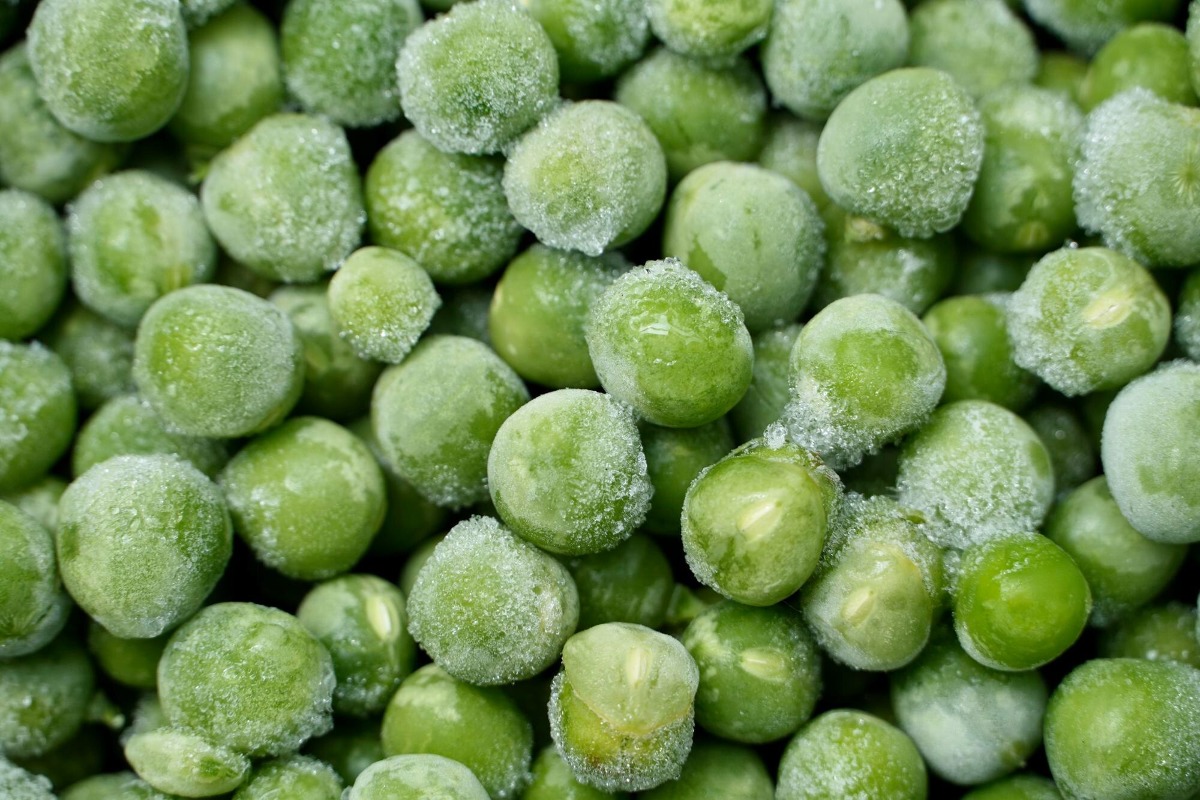
Frozen peas were the answer in 2 small chef roundups in which every chef asked named the same vegetable. They are useful for adding a quick serving of vegetables to pasta, rice, soups, and side dishes without waiting for fresh peas to come into season.
Fresh vegetables can lose quality before they get used, especially when shopping plans change. A bag of peas kept frozen at 0°F (-18°C) offers more flexibility and may help reduce food waste. It is not a replacement for every fresh vegetable: fresh produce still offers textures and varieties that frozen bags cannot.
Peak-ripeness freezing helps peas keep their sweetness
Chef Dan Pelosi adds frozen peas near the end of cooking, including during the last 2 minutes that pasta boils. Marco Canora serves them with onions softened in butter. Patrick Prager values their sweetness and bright green color, while Bobby Flay favors peas frozen when they are at their sweetest.
Those preferences have a practical basis. Peas are harvested ripe, briefly par-cooked to slow the enzyme activity that changes flavor and color, then frozen quickly. Freezing slows further changes, though it does not improve peas that were poor quality to begin with.
Frozen peas can compare well nutritionally with stored fresh peas
Frozen peas may have more vitamin C than fresh supermarket peas that have spent several days in home storage. That is a limited comparison, not a rule that frozen peas always contain more nutrients. Storage time and cooking both affect what reaches the plate.
For a straightforward grocery choice, check the ingredients and choose plain peas when added salt or sugar is not wanted. Keep the bag closed between uses to limit exposure to air and moisture, which can dry out the peas and encourage ice crystals.
Other frozen vegetables have different strengths
Peas are not every chef’s universal favorite. In a broader survey of 14 chefs, some chose broccoli, corn, or cauliflower; other chefs have highlighted frozen spinach. Those choices make sense for different meals: spinach cooks down into sautés, while broccoli and cauliflower bring more substantial pieces to soups or stir-fries.
Frozen vegetables can be convenient, but their texture differs from fresh. A frozen vegetable that releases water may soften a dish that needs crispness, so fresh produce is often the better choice for a crunchy salad.
Short cooking protects pea texture
For pasta, add 1 cup of frozen peas to the boiling water during the pasta’s final 2 minutes, then drain when both pasta and peas are cooked and hot throughout. This order heats the peas without leaving them in boiling water long enough to turn mushy. If they are still cold, cook them a little longer rather than serving them partly frozen.
Keep unused peas at 0°F (-18°C). Thawing and refreezing peas that stayed cold can reduce their texture; discard peas that have thawed and sat warm rather than putting them back in the freezer. For an easy dinner, add a measured cup to pasta just before draining and return the rest of the bag promptly to the freezer.


