
Thanksgiving turkey can leave home cooks hovering near the oven, hoping every slice stays juicy. Yet one familiar part of that routine may work against the dinner they’re trying to serve.
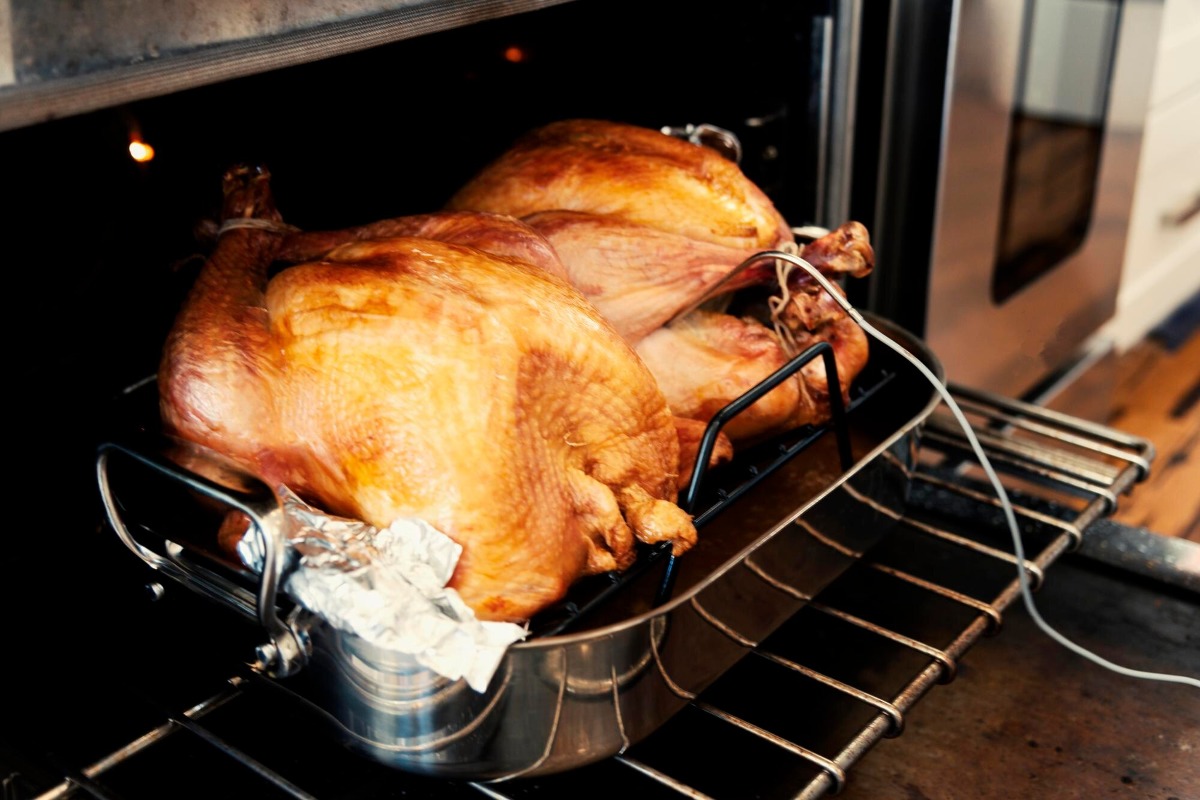
Every 30 minutes, the oven timer rings and a cook reaches for the turkey drippings. The familiar routine feels reassuring, but it can make dinner run late and leave the skin less crisp than expected. A small change in how the turkey is handled during roasting can avoid that trade-off.
Basting does not hydrate the turkey
Basting a turkey with pan drippings may leave the meat drier rather than juicier. The practice is meant to add moisture during roasting, but the liquid mostly runs off the skin while repeated oven openings can lengthen cooking. A bird left in the oven longer has more opportunity to lose moisture, especially in the breast.
America’s Test Kitchen chefs say their testing found that basting “doesn’t add much moisture at all.” That observation is about basting, not a guarantee that an unbasted turkey will be juicy. Cooking the meat to a safe temperature without leaving it in the oven unnecessarily still matters.
Opening the oven slows cooking
Every time the door opens for another spoonful of drippings, hot air escapes. The USDA notes that opening the oven to baste lowers its temperature and may require additional cooking time. The size of that drop varies, so a fixed number of extra minutes cannot be assumed.
The oven must heat back up after the door closes. Frequent interruptions make the roast take longer without delivering moisture deep into the meat. University of Illinois Extension recommends keeping basting to a minimum, mainly during the last hour of cooking.
Liquid can soften the skin
Crisp skin needs a relatively dry surface. Pouring drippings over it adds moisture that can leave the skin chewy rather than browned and crisp. The liquid may flavor the surface, but it does not travel through the skin to moisten the breast underneath.
Chef Marc Vogel also cautions that basting can disturb the browned coating on the skin. Skipping it is a reasonable choice for cooks who prefer crisp skin and fewer oven interruptions. It does not replace checking the turkey’s temperature.
Temperature matters more than another baste
If basting is part of the meal’s tradition, keep it infrequent: wait at least 45 minutes between bastes, and consider doing it only during the last hour. Open the door briefly, use clean utensils to spoon on the drippings, and close it promptly. Do not use a utensil that has touched raw turkey without washing it first.
A dry brine uses salt before roasting, while spiced butter placed under the skin can add flavor without repeated oven openings. Butter is not suitable for a dairy-free meal, and neither approach makes temperature checks optional. Use a food thermometer to confirm that the thickest part of the breast and the innermost parts of the thigh and wing reach 165°F (74°C); do not serve drippings containing undercooked poultry juices unless they have been thoroughly cooked. Keep the oven door closed between checks, and let the thermometer, not the basting schedule, guide when the turkey is done.


