
Pulled pork can spend all day in the slow cooker and still turn out tough or bland. Before you load up on seasonings, there’s a surprisingly simple addition worth considering.
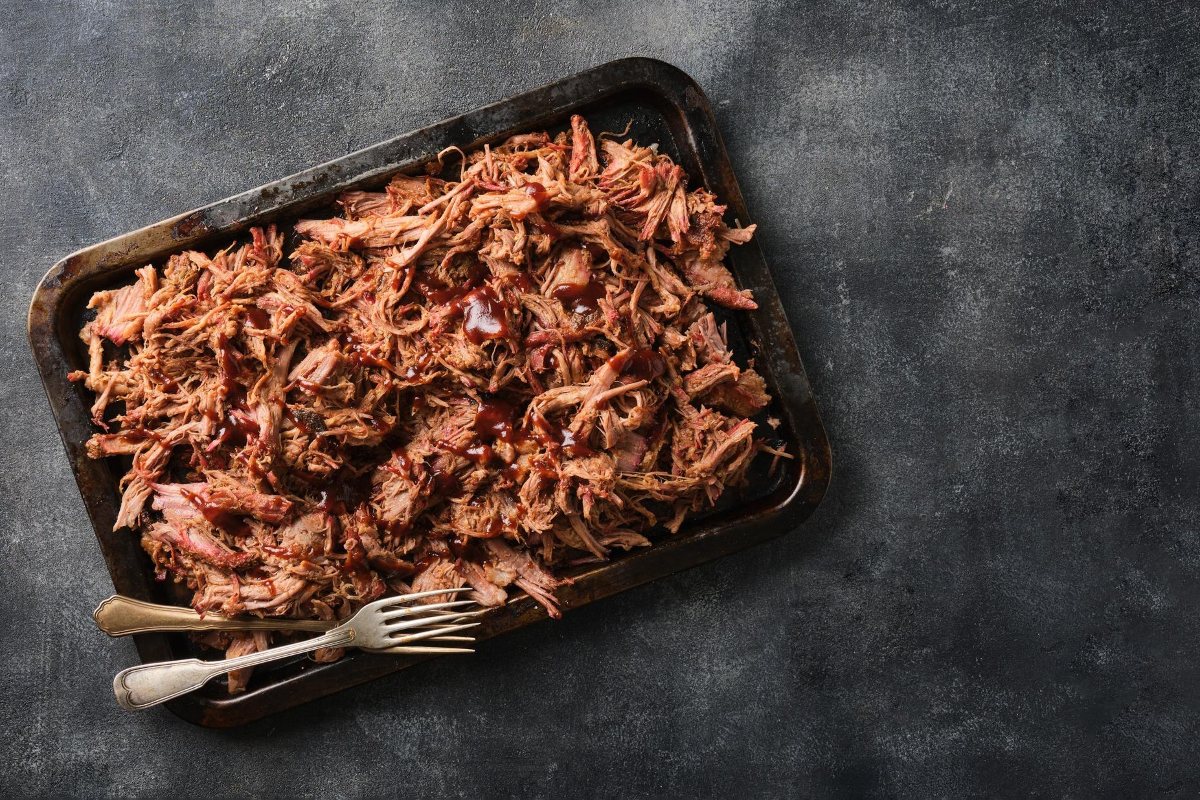
The dinner rolls are ready, but the pork roast still resists the fork. Adding barbecue sauce at the table can change the flavor, but it will not make the meat easier to shred. A simpler approach starts before the slow cooker lid goes on, with something that may already be in the kitchen.
One can of soda is the cooking liquid
Pour 1 can (12 ounces, 355 mL) of Dr. Pepper, root beer, or Coca-Cola over a pork shoulder roast in the slow cooker. The soda supplies the liquid and a sweet flavor, so the pork can cook without a separate marinade or a long list of seasonings. Shred the meat when it is tender, then add barbecue sauce if desired.
This is a simple home-cooking method, not a guarantee that every roast will finish at the same time. Pork shoulder has connective tissue that needs time to soften, even after the meat reaches a safe internal temperature.
Slow cooking does most of the tenderizing
Soda is acidic, and acidity can affect proteins where the liquid contacts the meat. Cola gets some of its acidity from phosphoric acid. But the long, moist cook is also important: heat softens the connective tissue in pork shoulder until the meat pulls apart with forks.
Dr. Pepper, root beer, and cola each bring a different sweetness and flavor. The soda does not season the pork like a spice rub, and its sweetness may be more noticeable in the cooking juices than in the center of a large roast. Barbecue sauce can be stirred into the shredded pork afterward rather than added during cooking.
The method starts with pork shoulder and 1 can
Place a boneless pork shoulder or pork butt roast in the slow cooker. Pour 1 can (12 ounces, 355 mL) of soda over it, cover, and cook until the pork shreds easily with 2 forks. A Dr. Pepper recipe gives 4 to 5 hours on high or 7 to 8 hours on low; a root beer recipe gives 8 to 10 hours on low.
Those times are guides, not a substitute for checking the roast. Size and cooker settings can change how long it takes. Once the pork is tender, shred it with 2 forks and add barbecue sauce if wanted. For a less sweet serving, taste the shredded meat before adding sauce, and add the sauce gradually.
A thermometer checks safety, while a fork checks texture
USDA FSIS sets 145°F (63°C) as the minimum internal temperature for whole pork roasts. Check the thickest part with a food thermometer; do not rely on the cooking time or the color of the soda-darkened juices. Pork shoulder generally needs to cook well beyond that minimum to become easy to shred.
If the roast is below the safe minimum, keep cooking it. If it has reached that temperature but resists the forks, it needs more time for the connective tissue to soften, not more soda.
Tough pork needs more cooking time
Keep the lid on and continue cooking tough pork on low, checking its texture about every 30 minutes. Do not assume another can of soda will fix it: acidity only reaches surfaces the liquid touches, while tenderness throughout the roast depends heavily on cooking time.
For the most useful check, measure the temperature and test the meat with forks before shredding. Add sauce only after tasting, especially when the cooking liquid already tastes sweet.


