You crack two eggs into a skillet and notice one yolk is bright orange while the other is pale yellow. The contrast seems meaningful, but the explanation may surprise you.
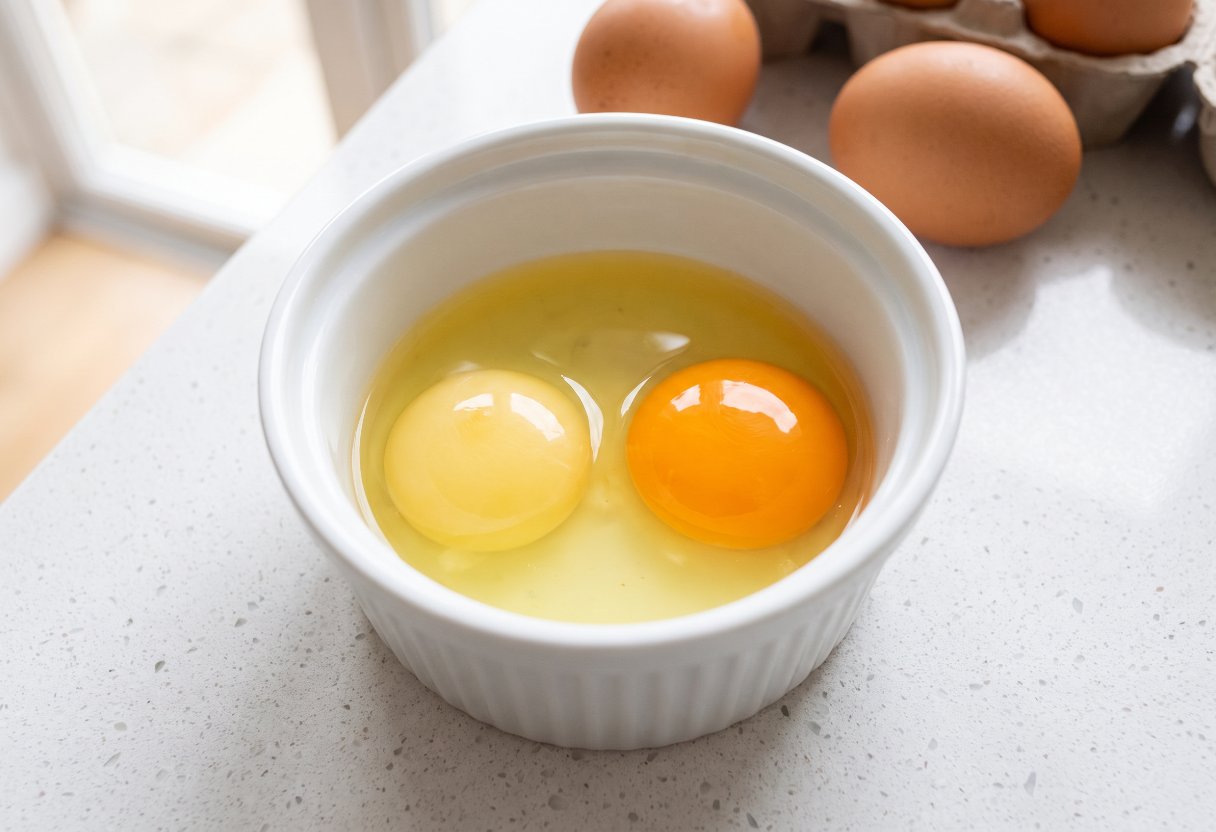
At the grocery store, a picture of a deep orange yolk on an egg carton can make it look like the fresher choice. Color is a poor shortcut, though: it does not reliably show how fresh or nutritious an egg is. Egg size offers no better clue to the shade inside. The difference has a simpler explanation than the carton might suggest.
Hen feed determines whether yolks look yellow or orange
A yolk’s color comes mainly from carotenoids in the hen’s feed. These plant pigments are absorbed as the hen eats and deposited in the yolk as the egg forms, giving it a shade that can range from pale yellow to deep orange. Color is not determined by the egg’s freshness, size, or the hen’s breed.
The distinction matters when 2 cartons produce noticeably different breakfasts. An orange yolk may reflect more pigment in the feed, but its color alone cannot tell a shopper how the hen was raised or whether the egg is a better choice.
Different plant pigments produce different shades
Carotenoids give many plants their yellow, orange, and red colors. Hens cannot make these pigments themselves, so the amount and type in their feed affect the color that reaches the yolk. Xanthophylls are a group of carotenoids that includes the yellow pigments lutein and zeaxanthin.
Yellow corn and alfalfa meal can supply lutein and zeaxanthin, while ingredients such as paprika or chili can contribute pigments that deepen orange tones. Dried marigold petals and marigold concentrates are also used in poultry feed to intensify yolk color. A hen can therefore lay a vividly colored yolk because of formulated feed, not necessarily because she foraged on pasture.
That also explains why a corn-based diet need not produce the deepest orange yolks: corn supplies yellow pigments, but the final shade depends on the full mix of pigments in the feed. Pasture plants can contribute carotenoids too, yet yolk color alone cannot identify which ingredients supplied them.
Producers can measure and adjust yolk color
The poultry industry uses the DSM Yolk Color Fan to compare yolks against 16 color shades, from 1 for pale yolks to 16 for deep reddish-orange ones. Many ordinary U.S. grocery-store eggs fall around 4 to 7 on that scale. It measures appearance, not freshness or nutritional quality.
Feed ingredients can be selected to produce a desired shade. Marigold-based additives, including processed extracts, are among the ways producers can increase yellow or orange pigmentation. A darker yolk is therefore evidence of pigment intake, not proof of a particular farming practice.
Yolk color is a poor freshness or nutrition test
Orange and yellow yolks generally have similar amounts of protein, vitamins, and fat. A change in shade may reflect a change in feed without signaling a meaningful difference in the egg’s overall nutrition. Shoppers comparing cartons should use the information on the label rather than treat yolk color as a nutrition score.
Color cannot establish freshness or food safety, either. The carton’s packing date can help a shopper judge age, while proper refrigeration matters after purchase. Keep eggs at 40°F (4°C) or below and cook them until the whites and yolks are firm; a bright orange yolk does not replace either precaution.
When choosing eggs for everyday cooking, expect some variation from carton to carton. Buy eggs that fit the household’s budget and preferences, then store and cook them safely regardless of whether the yolks are pale yellow or orange.