You scoop rice onto a weeknight dinner plate, and it lands in sticky clumps instead of the separate grains you get at your favorite restaurant. The difference may come down to something easy to overlook.
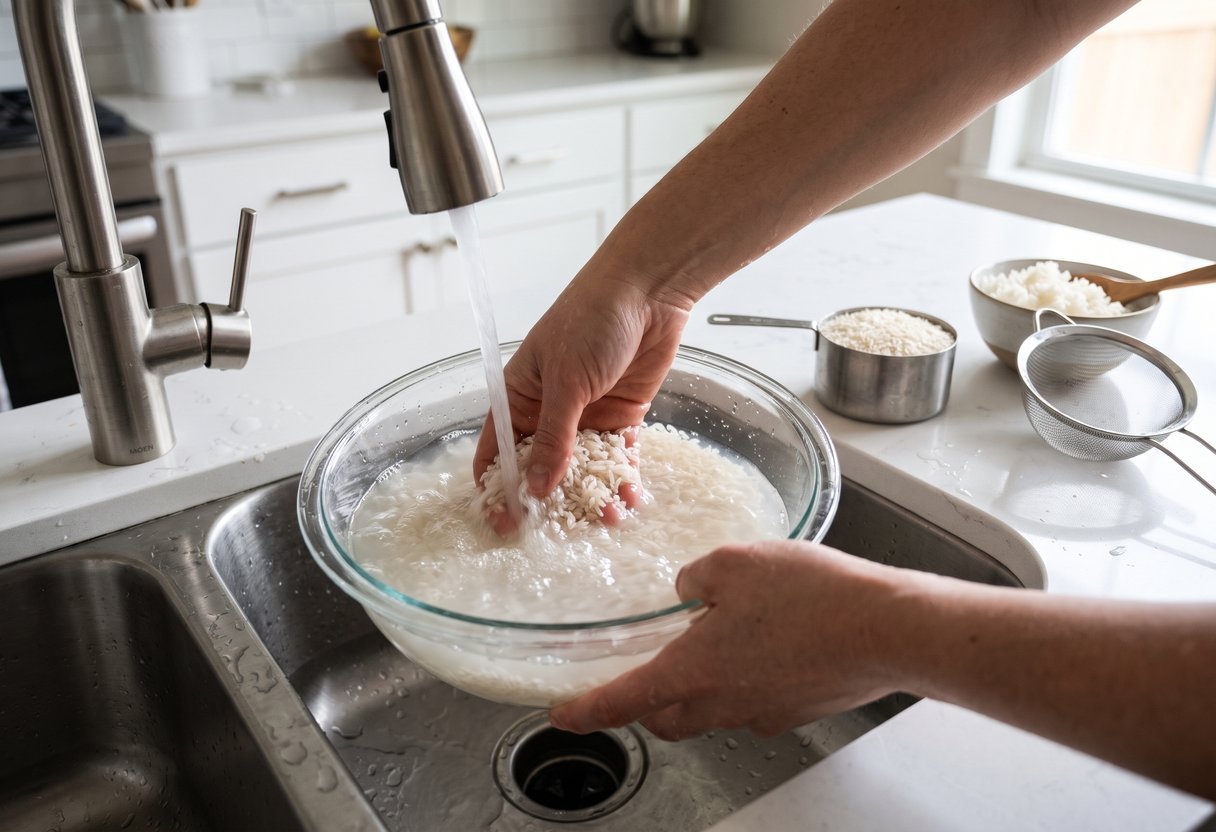
The timer goes off, and a fork catches on a dense mound of jasmine rice in the pot. Measuring the water carefully and following the package cook time may still leave the grains stuck together. One easy-to-miss step can improve the texture of long-grain rice, though it will not make every type of rice cook up the same way.
Rinsing removes the starch that makes long-grain rice clump
For fluffy long-grain white rice, rinse the grains before cooking to wash away loose surface starch. That starch rubs off during milling and handling; left on the rice, it can thicken the cooking liquid and make grains stick together. This is particularly useful for jasmine and basmati rice, which are usually served with distinct grains.
Rinsing is not a guarantee that every pot will turn out fluffy. Too much cooking water or stirring the rice as it simmers can still leave it sticky. The rice variety matters, too: sticky rice clumps largely because of the starch inside its grains, not just starch on their surfaces.
Rinse first, then decide whether to soak or toast
For 1 cup of long-grain white rice, put the grains in a bowl, cover with cold water, swirl gently and drain. Repeat 2 to 3 times, until the water is less cloudy. It does not need to run completely clear; further rinsing is unlikely to make a meaningful difference and can complicate the amount of water used for cooking.
For basmati, an optional next step is a 20- to 30-minute soak in cold water. Drain it before cooking, and check the package directions because soaked rice has already absorbed some moisture. For other long-grain rice, rinsing alone is a reasonable place to start.
Toasting is a separate, optional step for more flavor and less sticking. After rinsing, drain the rice well, then stir it in a small amount of oil in a pot over medium heat before adding the cooking liquid. Keep it moving so the grains do not burn, and add the liquid carefully because moisture on the rice can make hot oil spatter. Oil is a dairy-free alternative to butter.
Gentle cooking and a covered rest finish the job
Water amounts depend on the equipment. For example, 1 cup of white rice to 1 cup of water works in a pressure cooker, while a covered stovetop pot needs additional water to replace what evaporates. For a stovetop batch, the plan’s starting point is 1 cup of rice to 1 1/2 cups of water; follow the rice package or cooker instructions if they differ.
Bring the rice and liquid to a boil, lower the heat to a gentle simmer and cover the pot. Leave the lid on and avoid stirring while the rice cooks, since disturbing the grains can release more starch. Once the liquid is absorbed, turn off the heat and let the rice stand, covered, for about 10 minutes so remaining moisture can settle through the pot before fluffing with a fork.
Clumps can point to the rice or the water amount
If cooked rice still clumps, gently separate what can be separated with a fork rather than stirring it vigorously. Next time, check the water amount and the variety on the package: rinsing cannot make sushi or glutinous rice behave like long-grain rice. Refrigerate leftover cooked rice promptly at 40°F (4°C) or colder rather than leaving it on the stove while planning the next batch.