Dinner is almost ready, but your pasta is clumping in the pot and the finished plate never tastes quite right. A familiar step in many American kitchens may be worth a second look.
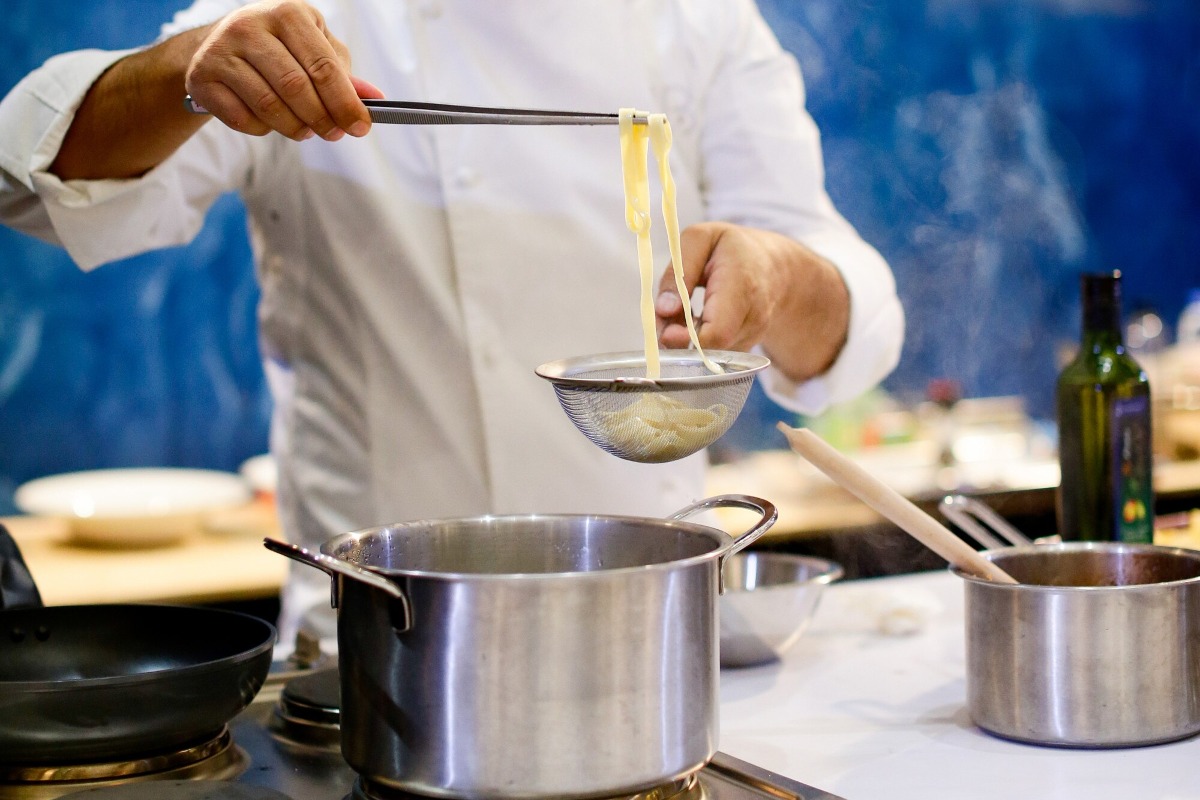
As a pot of water comes to a boil, a home cook reaches for the bottle beside the stove before adding a box of pasta. The familiar extra step may do little for the noodles and can make the finished dish less satisfying. A simpler approach during the first few minutes of cooking makes a bigger difference.
Oil in pasta water does not keep noodles apart
Adding oil to boiling pasta water is a familiar attempt to prevent sticking, but it does not solve the problem. Oil floats on the water rather than circulating among the noodles, so it cannot reliably separate them as they cook. If oil coats the pasta during draining, sauce may have a harder time clinging to it.
The advice persists partly because cooks hear conflicting instructions. Chef Gordon Ramsay has recommended oil in pasta water, while Italian American chef Lidia Bastianich advises against it. For pasta that will be served with sauce, the more useful goal is to keep the noodles moving early in cooking, then leave their surface free of oil.
Oil can get between pasta and sauce
Oil and water separate, with the oil forming a layer at the surface of the pot. That means a spoonful of oil is not mixing through the water to reach pasta that is cooking below it. The trouble comes later: as pasta is drained, some oil can touch the noodles and make them slick.
That coating can interfere with the starchy surface that helps sauce cling. Bastianich has warned home cooks not to add oil to pasta water, and Barilla says the practice does not prevent sticking. The effect on sauce adhesion matters most when the pasta is going straight into a sauce rather than being served plain.
Water and early stirring do the useful work
For 1 pound (454 g) of pasta, use a large pot with about 4 3/4 quarts (4.5 L) of water, in line with Barilla’s guidance of about 1 liter per 100 grams of pasta. Leave enough room at the top of the pot for bubbling water. Bring the water to a full rolling boil, add salt, then add the pasta.
Stir promptly after adding the pasta and continue stirring during the first 1 to 2 minutes, when noodles are most likely to clump. This is especially helpful for long strands such as spaghetti and linguine, which can settle against one another before they soften. Keep the water boiling as the pasta cooks so the noodles can move freely, and follow the package directions for cooking time.
A large pot alone will not separate noodles that sit untouched just after they go in. If the water threatens to boil over, lower the heat enough to control the foam while keeping the pasta cooking, rather than relying on oil. Stay near the stove: a pot of boiling water can cause burns.
Oil is not a substitute for watching the pot
Oil may affect surface foam in some pots, which could explain why some cooks still use it, but it is not a dependable answer to clumping or boil-overs. It also introduces a drawback when sauce needs to coat the finished pasta. For the next batch, leave the oil out, use plenty of boiling water, and stir as soon as the pasta goes in.