The peanut butter aisle can turn a quick grocery run into a debate over labels, textures, and price. Yet when chefs stock their own kitchens, an unexpected pattern emerges among the jars they reach for.
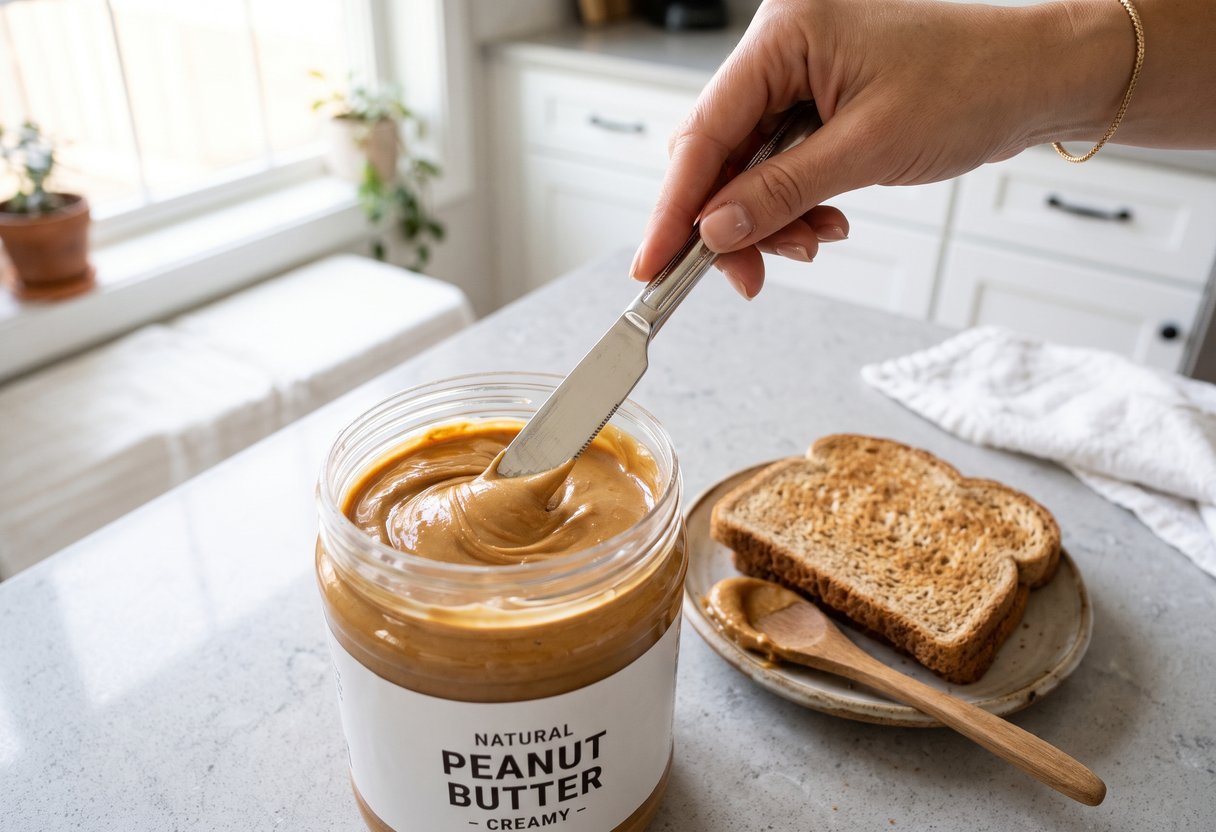
At breakfast, the toast is ready, but the peanut butter needs a long stir before it will spread. Choosing the next jar by price or a familiar label alone can miss differences in texture and ingredients that become obvious once it is open. A closer look at the jars cooks choose for their own kitchens offers a practical way to narrow the options, even if no single peanut butter suits everyone.
Skippy Natural stands out in a small chef panel
Skippy Natural Peanut Butter Spread was the top pick in a panel of 7 chefs and cookbook authors asked which peanut butter they keep on hand. It earned that spot as an everyday choice for eating straight from the jar or using in recipes, where flavor and an easy-to-spread texture both matter. The panel also named other favorites, so its result is a useful shopping clue, not a verdict on every jar.
Peanut butter is a practical pantry staple because it adds peanut flavor and richness to foods from toast to sauces. But jars differ in sweetness, texture, and ingredients, and those differences become noticeable when peanut butter is a prominent part of a dish. The best choice depends partly on whether the recipe needs a smooth spread or a stronger peanut taste.
Skippy picks vary by product
In a separate group of 3 chefs, all 3 named Skippy as their preferred brand, though that does not mean each chose Skippy Natural. Chef Nate Anda said he tends to prefer Skippy crunchy peanut butter and would also use Smucker’s. He uses Skippy Super Chunk in an El-Vez taco with smoked pork belly, fried plantain, and habanero jelly, where crunchy peanuts add texture alongside sweet and savory ingredients.
Shoppers should check the full product name rather than assuming every Skippy jar has the same ingredients. Skippy Natural is labeled a peanut butter spread; under the FDA peanut butter standard, a product must contain at least 90% peanuts to use the name “peanut butter.” The word “natural” alone does not tell shoppers how much sugar or oil a product contains.
Kirkland Organic appeals to ingredient-focused cooks
A different group of 3 chefs and food writers picked Kirkland Signature Organic Peanut Butter. Pastry chef Gavin Len praised its creamy texture and simple ingredients, while food writer KC Hysmith singled out its peanuts-and-salt ingredient list. Those preferences point to a different trade-off: a more peanut-forward jar without added sugar or oils, rather than the texture of a spread.
Costco’s two-pack contains 28-ounce (794 g) jars and was priced at around $10 in the reporting behind those picks. That is a useful comparison for households that finish large jars, but a good unit price is less helpful if the peanut butter sits unused. Prices and availability can also vary by store.
Other jars suit different preferences
The 7-person panel also named Santa Cruz, Crazy Richard’s, Spread the Love Naked Organic, and Whole Foods Fresh Grind. Crazy Richard’s contains 100% USA-grown peanuts, making it an option for shoppers who want a single-ingredient jar. These mentions reflect individual preferences, not a controlled taste test proving that 1 brand works best in every recipe.
For a quick grocery comparison, read the ingredient list and choose creamy or crunchy based on the dish. A peanut-only butter may separate because its oil can rise to the top; stirring brings it back into the peanut solids. Check the jar’s storage directions, and use a clean utensil to avoid introducing crumbs or moisture. Peanut butter is not suitable for anyone with a peanut allergy; for everyone else, the most useful pick is a jar whose ingredients, texture, and size fit how it will actually be used.