After carving a pumpkin, you might toss the seeds and reach for a snack from the pantry. But that familiar kitchen habit may be worth a closer look.
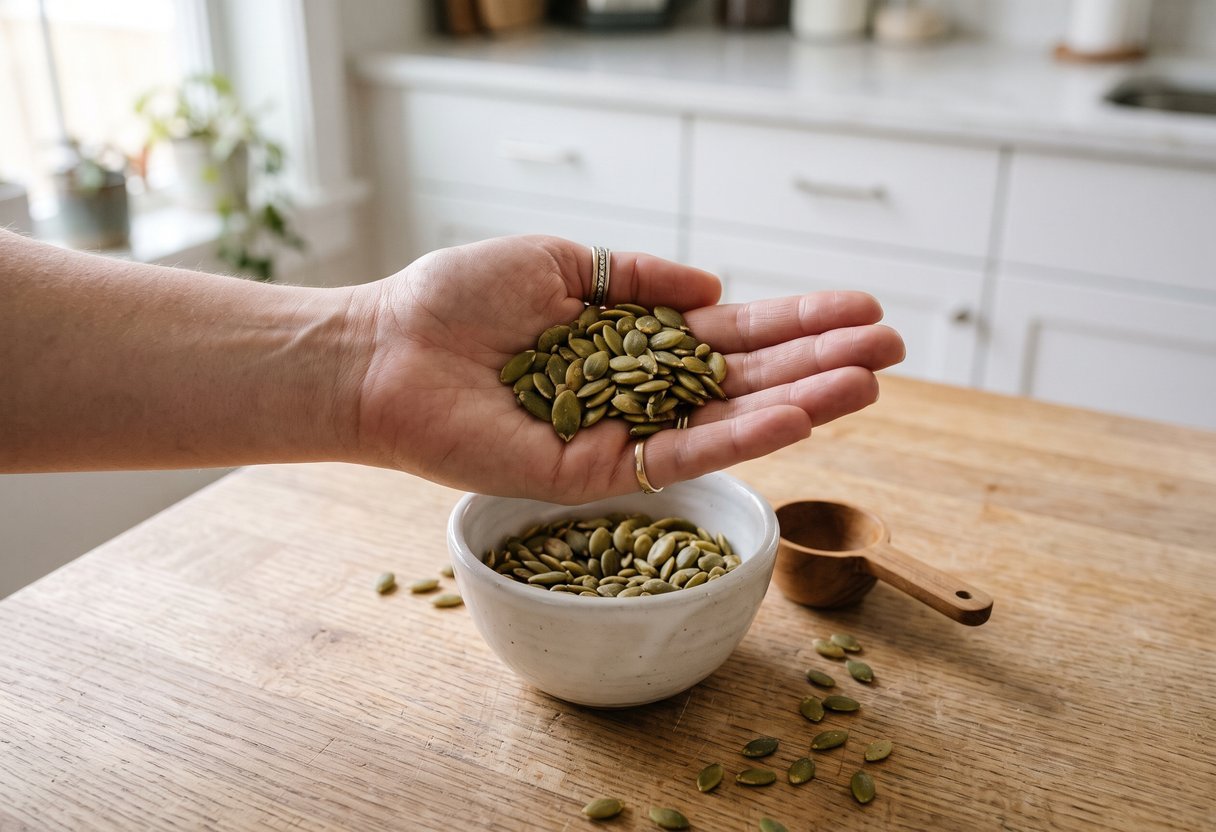
At 3 p.m., the pantry offers a bag of chips and a container of pumpkin seeds left over from fall baking. Choosing a snack by calories alone can overlook magnesium, a nutrient many people do not get enough of. Pumpkin seeds offer a simple way to add magnesium along with protein and unsaturated fat. Portion size still matters, and no snack can treat a health condition.
Magnesium supports everyday body functions
Magnesium helps the body carry out more than 300 biochemical reactions, including those involved in muscle and nerve function and a regular heartbeat. Many US adults get less than recommended, especially when their diets rely heavily on refined foods instead of magnesium-rich foods such as seeds, beans, and greens.
Recommended daily amounts reach 420 mg for adult men and 320 mg for adult women, depending on age. The 420 mg Daily Value used on US food labels is a separate, standard reference for comparing foods. A low intake is worth addressing through a varied diet, but fatigue or muscle cramps should not be assumed to come from magnesium alone.
A small handful supplies substantial magnesium
One 1-ounce (28 g) serving of shelled pumpkin seed kernels, or pepitas, is roughly 1/4 cup. It supplies about 156 mg of magnesium, or 37% of the Daily Value. That makes a measured handful a practical way to add magnesium without preparing a separate dish.
The same serving provides about 8.5 g of protein and 14 g of fat, much of it unsaturated, along with zinc, copper, and phosphorus. Seeds eaten in their shells have more fiber than shelled kernels because the outer covering adds bulk. The 156 mg magnesium figure, however, applies to a weighed serving of shelled kernels, not 1 ounce of seeds with shells included.
Pumpkin seeds are one of several useful sources
Magnesium helps support normal blood pressure regulation, while unsaturated fats can fit into a heart-healthy eating pattern when they replace foods higher in saturated fat. Neither nutrient makes pumpkin seeds a treatment for heart disease or inflammation. The clearest everyday advantage may be choosing plain seeds instead of a salty, refined-starch snack.
Other foods can fill the same role. A cooked cup of spinach provides about 157 mg of magnesium, and 1 ounce (28 g) of hemp seeds provides about 210 mg. Rice bran has more magnesium per ounce, but pumpkin seeds may be easier to pack and eat as a snack; variety matters more than finding a single highest-magnesium food.
Serving size and health claims have limits
An ounce of shelled seeds contains about 160 calories. Added oil increases calories, while heavily salted varieties add sodium, so plain or lightly salted seeds are useful choices for regular snacking. Portioning out 1/4 cup before eating makes the amount easier to judge than eating from the bag.
Whole pumpkin seeds have not been shown to treat insomnia or prostate symptoms. Research on prostate symptoms has examined concentrated extracts rather than snack-sized servings of seeds, so those findings cannot be applied to a daily handful. Seeds with shells can also pose a choking hazard for children under 4; offer an age-appropriate alternative instead.
Simple storage keeps seeds ready to use
Sprinkle shelled pepitas over oatmeal, salads, or yogurt, or eat a measured serving on its own. Keep the package sealed or transfer seeds to an airtight container in a cool, dark place. Their unsaturated fats can oxidize over time, producing a stale smell or bitter flavor; discard seeds that taste or smell rancid.
For an easy routine, keep plain pepitas alongside other snack options and measure out 1 ounce (28 g) when they sound appealing. Add beans, greens, or other seeds to meals as well, rather than expecting 1 handful to meet the day’s magnesium needs.